With the digital revolution transforming how we connect; two powerful tools have emerged as frontrunners in professional networking: virtual business cards and LinkedIn. Both serve the ultimate goal of connecting professionals, yet they differ fundamentally in how they manage, share, and present information. Understanding these differences is essential for anyone looking to streamline their networking strategy in 2026 and beyond.
The Rise of Virtual Business Cards
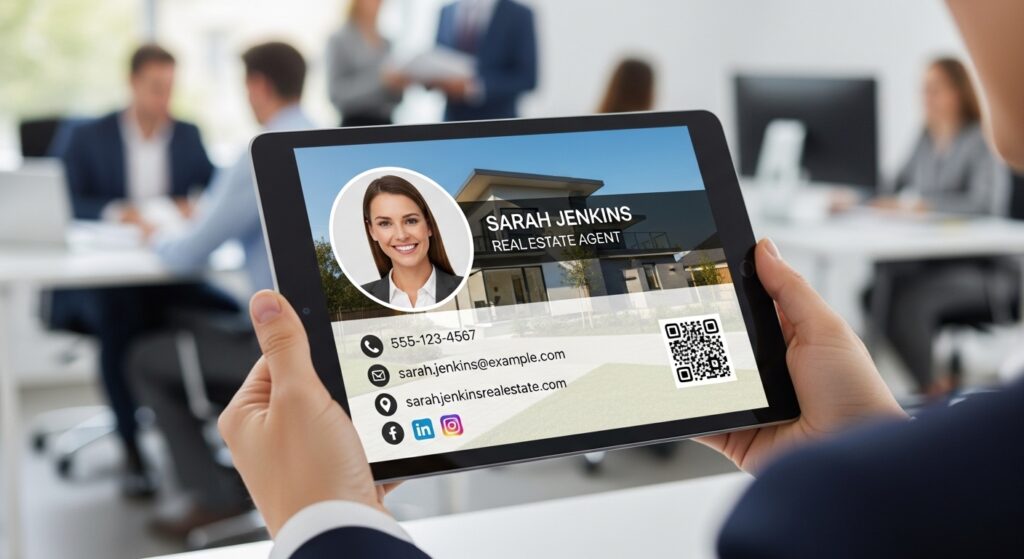
Virtual business cards represent a paradigm shift in professional networking. Unlike traditional paper cards that are static and often forgotten in drawers, virtual business cards are dynamic, interactive, and instantly shareable. They leverage cutting-edge technologies such as NFC (Near Field Communication) and QR code, allowing users to share their professional information with a simple tap or scan.
Platforms like UINQO have pioneered this space, creating a seamless experience for users who want all their networking tools consolidated in one place. Beyond simply sharing a name and contact details, a modern virtual business card can include multiple profiles, social media links, personalized landing pages, and even smart contact categories. This ensures that every new connection is instantly organized and enriched, creating a professional impression that traditional cards or LinkedIn profiles alone cannot match.
LinkedIn: The Professional Social Network
LinkedIn, on the other hand, has long been the go-to platform for professional networking. Launched in 2003, it has grown into the largest professional network globally, offering users a platform to showcase experience, share achievements, and interact with peers. LinkedIn is particularly powerful for broadening one’s network and maintaining professional visibility over time. Features such as endorsements, recommendations, and industry-specific groups make it an invaluable tool for career development and professional branding.
However, LinkedIn operates primarily in a digital ecosystem that requires active engagement. Connections are built over time, messages can be overlooked, and profile updates are sometimes delayed. While it is excellent for establishing credibility and long-term relationships, it lacks the immediacy and personalization offered by virtual business cards.
Key Differences in Networking Approach
One of the most significant differences between virtual business cards and LinkedIn is the approach to networking itself. Virtual business cards prioritize instant connections. With the tap of an NFC-enabled card or the scan of a dynamic QR code, a professional can immediately share a complete set of contact information. This real-time sharing ensures that networking does not depend on follow-ups or delayed responses.
LinkedIn, conversely, is structured for network building over time. Connecting on LinkedIn often involves sending a request and waiting for acceptance. Communication happens primarily through messages on the platform or via email notifications. While this slower pace encourages thoughtful engagement, it may not be ideal for fast-paced environments like trade shows, conferences, or client meetings where quick, seamless sharing is crucial.
Customization and Personal Branding
Personal branding has become a cornerstone of modern professional success. Here, virtual business cards offer a unique advantage. Companies like UINQO allow professionals to customize their cards extensively, including metal or bamboo materials, creative designs, and even dimension cards that stand out physically. These customizations convey a sense of sophistication and innovation that can leave a lasting impression, enhancing the perception of professionalism before any verbal interaction even begins.
LinkedIn profiles, while customizable in terms of content, are limited in visual and material presentation. You can upload a profile picture, banner, and share multimedia content, but you cannot replicate the tactile and highly personalized experience of a physical or digital business card. This makes virtual business cards particularly powerful for networking scenarios where first impressions matter and memorability are key.
Efficiency and Contact Management
Networking is not only about making connections but also about managing them effectively. Virtual business cards excel in this area by integrating smart contact management features. With a single tap or scan, new connections are automatically categorized, stored, and updated in real-time. Users can assign contacts to specific categories, track interactions, and even maintain multiple profiles for different professional contexts. This level of organization simplifies follow-ups and ensures that no important connection is lost in the shuffle.
LinkedIn, while robust as a networking platform, does not offer the same degree of hands-on contact management. While users can save connections and add notes, there is limited flexibility in categorizing contacts or managing them across different professional contexts. For professionals managing large volumes of networking contacts, virtual business cards provide a streamlined and efficient solution that complements or even surpasses LinkedIn’s capabilities.
Real-Time Data Sharing and Updates
One of the most practical advantages of virtual business cards is the ability to update information in real-time. When a professional changes role, adds a new social media profile, or launches a personal project, these updates are reflected instantly across all connections. This ensures that every recipient always has the most current information without requiring manual updates or notifications.
LinkedIn profiles, while also updatable, rely on the user to maintain their profile actively. Connections may not immediately notice updates unless they visit the profile or receive notifications. In fast-paced business environments, this lag can result in missed opportunities, particularly when timely follow-up is crucial.
Integration With Broader Networking Tools
Modern professional networking often extends beyond a simple contact exchange. Virtual business cards, particularly solutions like UINQO, integrate multiple networking tools into a single platform. This includes dynamic QR code, NFC capabilities, personalized landing pages, multiple profile options, and smart categorization. By consolidating these tools, virtual business cards become not just a contact-sharing method but a comprehensive networking solution.
LinkedIn, although powerful for connecting and showcasing professional credibility, operates largely as a standalone social network. Integration with offline tools or direct contact-sharing methods is limited. Professionals who rely exclusively on LinkedIn may find themselves juggling additional tools to achieve the same level of efficiency that virtual business cards provide.
Material and Physical Presence
Interestingly, virtual business cards can bridge the digital and physical worlds in a way LinkedIn cannot. Platforms like UINQO provide options for Metal cards, Bamboo cards, and uniquely designed Dimension cards, giving professionals a tangible item to hand to contacts. This physical presence enhances memorability and can make networking interactions feel more personal and engaging. A visually striking metal or bamboo card can spark conversations that a standard LinkedIn profile link might never inspire.
LinkedIn, by nature, is entirely digital. While it is convenient and far-reaching, it lacks the tactile impact and immediate presence that physical or hybrid virtual business cards can provide. For professionals attending in-person events, the ability to leave a lasting impression through a card that is both digital and physical represents a competitive advantage.
Security and Privacy Considerations
Security is another area where the two approaches diverge. Virtual business cards can include permissions and privacy controls, allowing users to decide what information is shared and with whom. They can limit access to sensitive contact details and update permissions dynamically, ensuring privacy is maintained while still enabling networking efficiency.
LinkedIn, while offering certain privacy settings, generally requires a public-facing profile to maximize networking potential. Once information is shared on the platform, control over how it is accessed or replicated is limited. For professionals handling confidential or sensitive information, virtual business cards offer an extra layer of control and security that is often absent on social networks.
Analytics and Networking Insights
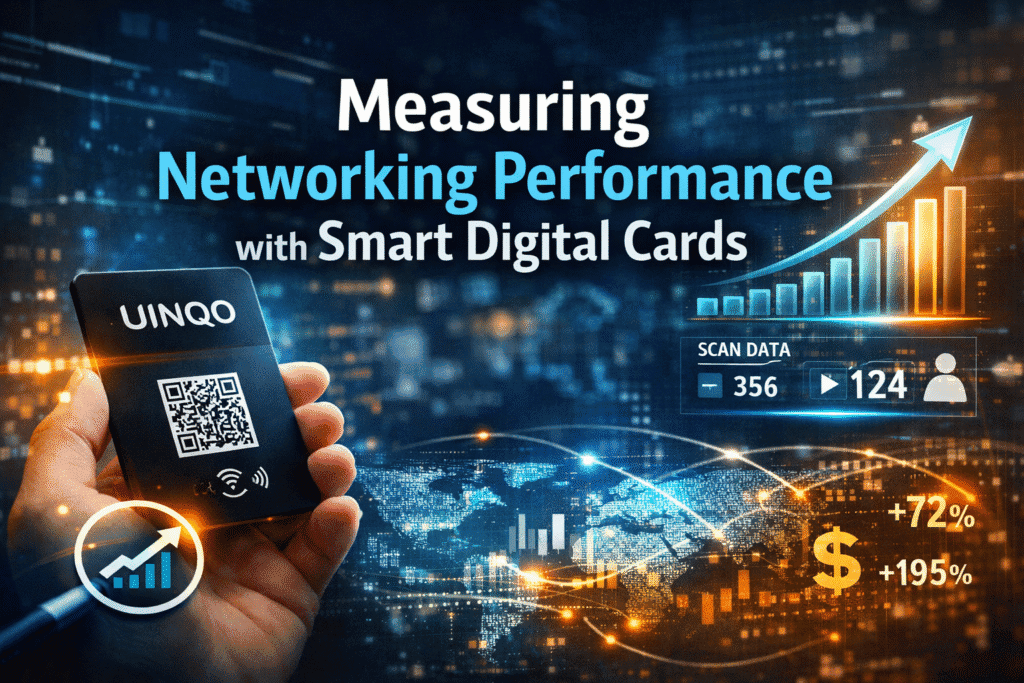
Another subtle but impactful difference lies in User Engagement Analytics. Modern virtual business cards often provide users with data on how often their card is accessed, when a profile URL clicked, and which contacts are most engaged. These insights allow professionals to optimize their networking strategy, refine their profiles, and focus efforts on high-value interactions.
LinkedIn provides engagement metrics for posts, profile views, and search appearances, but it is not tailored for real-time networking performance tracking. For professionals seeking actionable insights into their networking activities, virtual business cards offer a more precise, data-driven approach.
Complementary, Not Competing
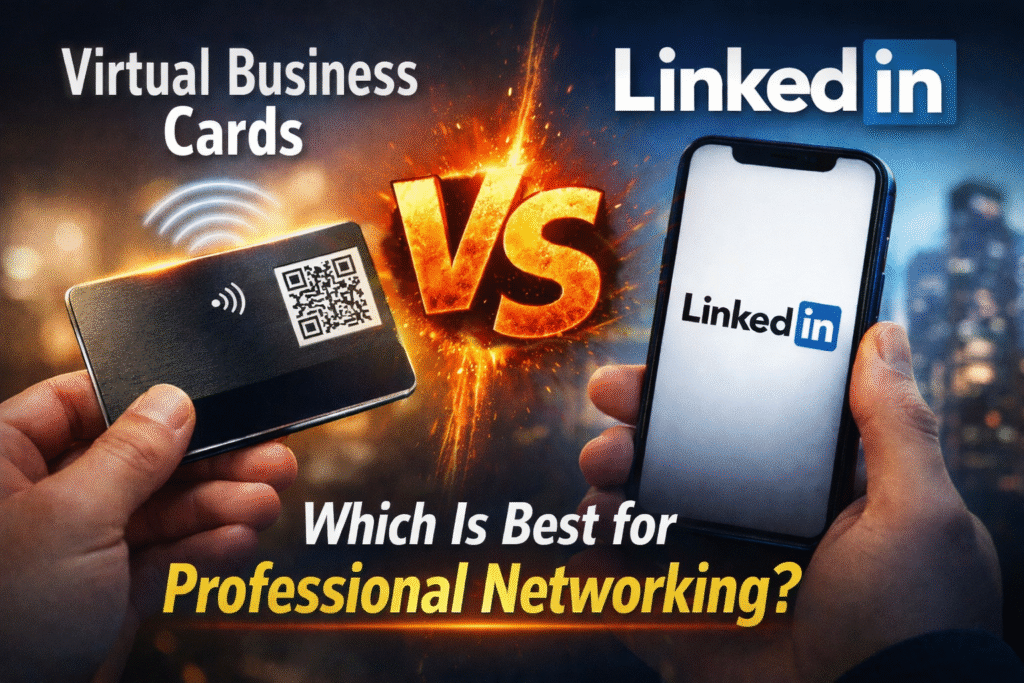
It’s important to note that virtual business cards and LinkedIn are not mutually exclusive. In fact, they are highly complementary tools. A well-crafted virtual business card can link directly to a LinkedIn profile, enhancing credibility while streamlining information sharing. Conversely, a strong LinkedIn presence can support long-term professional relationships initiated through a virtual business card. Together, they create a robust ecosystem that combines instant connection, rich professional branding, and efficient contact management.
The Future of Professional Networking
Looking forward, the trend is clear: professionals will increasingly demand tools that combine immediacy, personalization, and efficiency. Virtual business cards are uniquely positioned to meet these demands by bridging the gap between digital and physical networking, providing actionable insights, and enabling real-time updates. LinkedIn, with its vast reach and professional credibility, will continue to play a critical role, but it is increasingly complemented by tools that prioritize fast, tangible, and memorable connections.
UINQO are leading the charge in redefining how professionals interact, share, and manage contacts.
Conclusion: Choosing the Right Tool
When deciding between virtual business cards and LinkedIn, the key is understanding the context of your networking needs. For instant, memorable, and organized connections, particularly in fast-paced professional environments, virtual business cards offer unmatched advantages. Their customization, real-time updates, and advanced contact management capabilities make them indispensable for modern networking.
LinkedIn remains the go-to platform for long-term professional presence, relationship building, and industry credibility. Its social network structure, endorsements, and visibility are crucial for sustained career growth and broad professional outreach.
Ultimately, integrating both tools create a synergy that maximizes networking effectiveness. A virtual business card facilitates the initial connection, leaving a lasting impression, while LinkedIn nurtures that connection over time, supporting professional growth and engagement. Professionals who embrace both approaches are poised to thrive in an era where networking efficiency and personal branding define success.
Don’t let opportunities slip through the cracks. With UINQO, you can instantly share your professional details, organize contacts automatically, and leave a lasting impression both online and offline.