Digital business card networking is redefining how professionals build, manage, and sustain meaningful relationships. In today’s fast-moving professional world, connections happen quickly but are often lost just as fast. You attend a conference, meet someone aligned with your vision, exchange details, and feel the excitement of possibility. Yet within days, that momentum fades. Paper cards disappear into drawers, contact details become outdated, and the context of your conversation is forgotten. Networking should create long-term value, but traditional tools make that difficult. Digital business card networking replaces fragile paper exchanges with dynamic, updateable profiles that evolve alongside your career. Instead of handing over static information, professionals now share intelligent, living profiles that remain relevant, accessible, and actionable long after the initial meeting.
Why Traditional Networking No Longer Works
Networking has always been essential for professional growth, but traditional methods no longer match the speed and complexity of modern business environments. Paper business cards were designed for a slower era, where roles changed less frequently and digital presence was minimal. Today, professionals operate across multiple platforms, industries, and locations. When contact information changes, paper cards instantly become obsolete. When context is lost, follow-ups become awkward and impersonal.
Digital business card networking exposes the structural weaknesses of traditional networking tools. Static cards cannot adapt, cannot track interactions, and cannot preserve the richness of conversations. The problem is not lack of effort; it is reliance on outdated systems. Modern professionals require immediacy, flexibility, and seamless accessibility across devices. Digital solutions provide real-time updates and maintain contact integrity, ensuring that every introduction retains its value beyond the first handshake.
The Limitations of Paper Business Cards
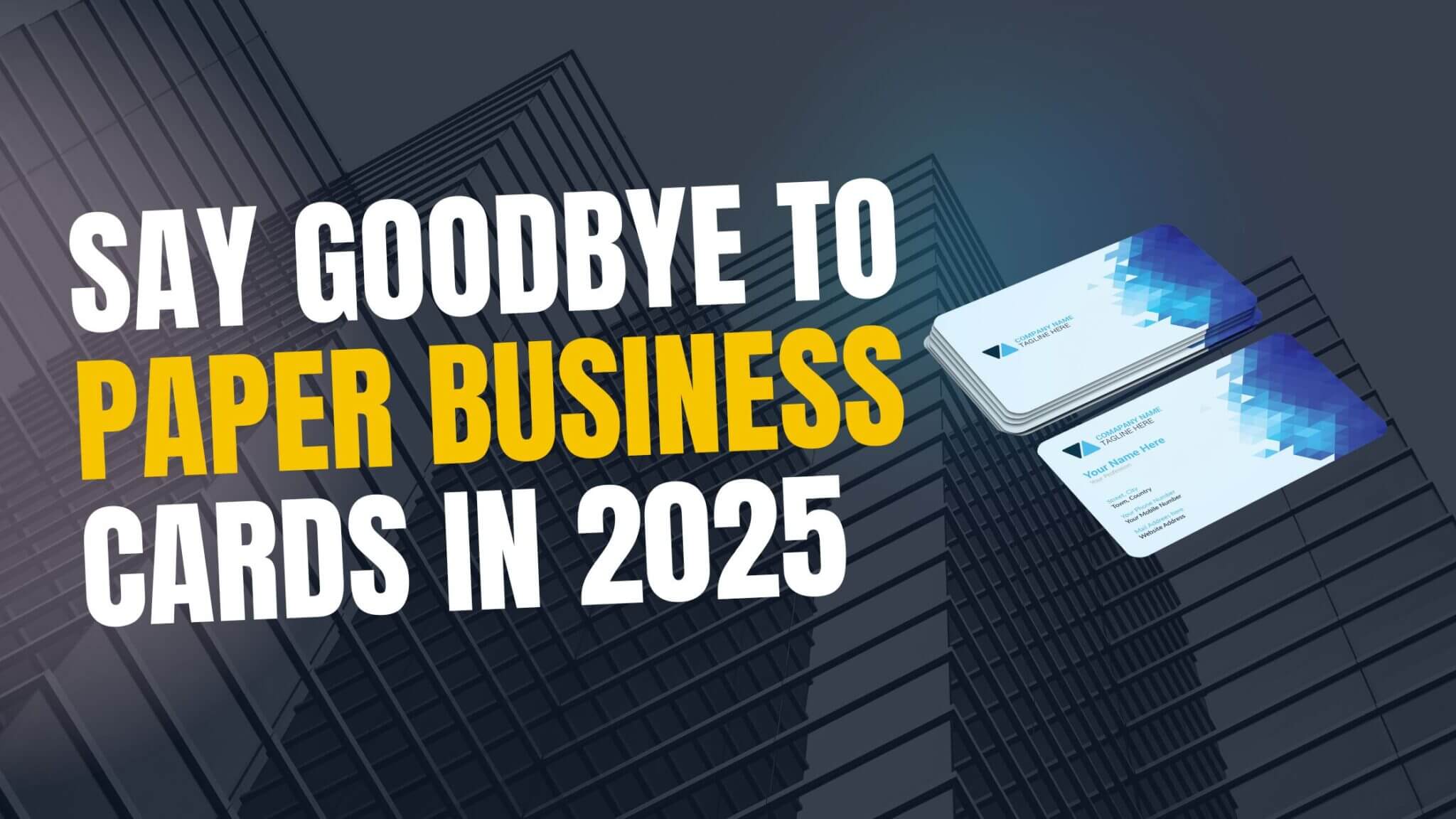
Within the framework of digital business card networking, the limitations of paper cards become even more apparent. Once printed, they cannot reflect career changes, updated portfolios, or new contact details. Even minor updates require reprinting, which consumes both time and resources. In competitive industries where credibility depends on presenting current work and achievements, static tools create friction rather than opportunity.
Paper cards are also physically fragile. They are misplaced, damaged, or buried beneath other materials. Even well-organized professionals may struggle to retrieve the right card at the right moment. Furthermore, paper cards cannot display multimedia content, appointment links, project highlights, or professional branding elements that define modern digital identity.
There is also a sustainability concern. Research and advocacy from organizations such as Environmental Paper Network emphasize the environmental costs associated with large-scale paper production. Broader sustainability goals promoted by the United Nations encourage reducing unnecessary physical waste when digital alternatives exist. Digital business card networking offers a more responsible approach by eliminating repeated printing, shipping, and disposal.
A Smarter Way to Share Professional Information
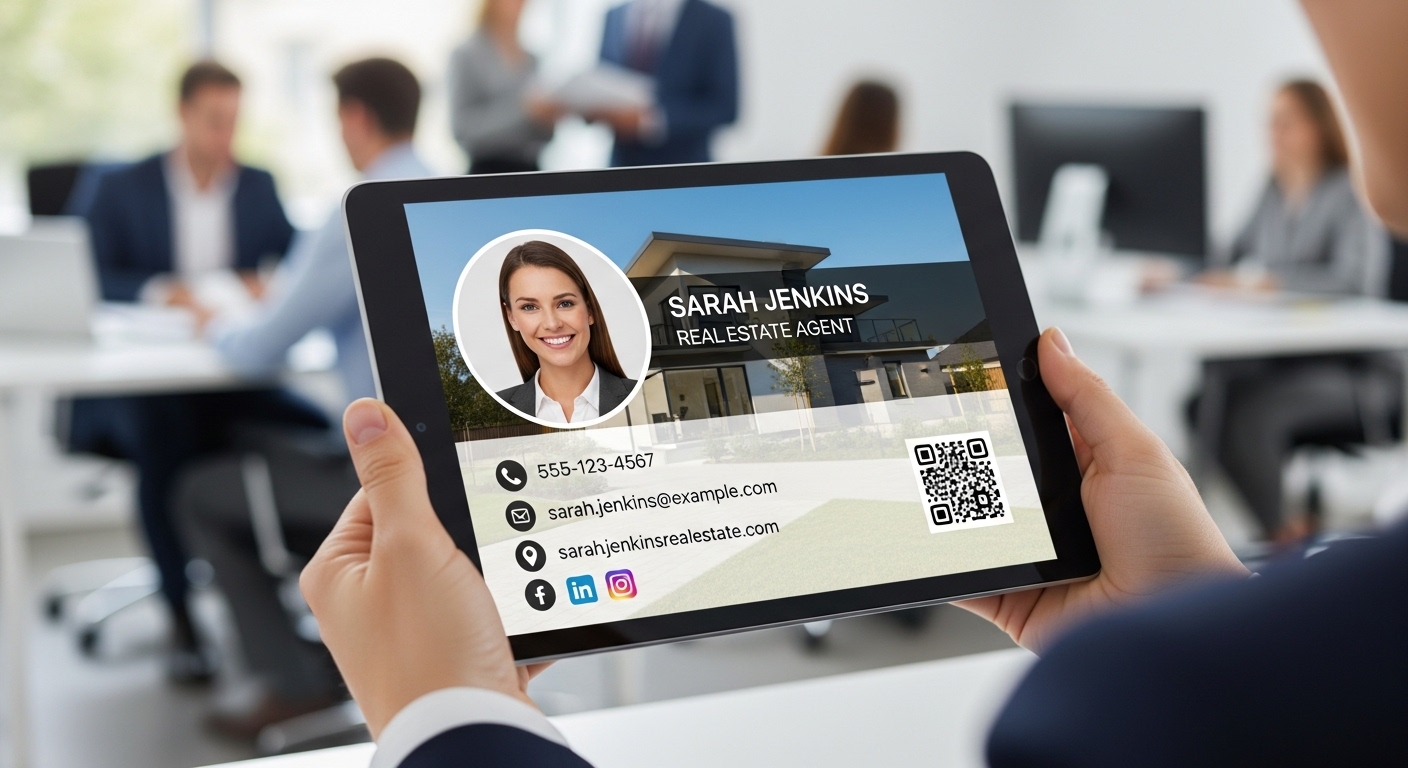
Digital business card networking transform’s static introductions into living professional assets. A digital profile updates instantly whenever information changes, ensuring that contacts always access the most accurate and relevant details. This eliminates the frustration of outdated phone numbers or inactive email addresses and preserves the continuity of professional relationships.
Using QR codes or near-field communication technology, professionals can share profiles instantly with a simple tap. Standards developed by the NFC Forum have made contactless sharing seamless and secure. Unlike traditional exchanges, digital profiles can include portfolios, social platforms, booking calendars, and event-specific pages tailored to the situation.
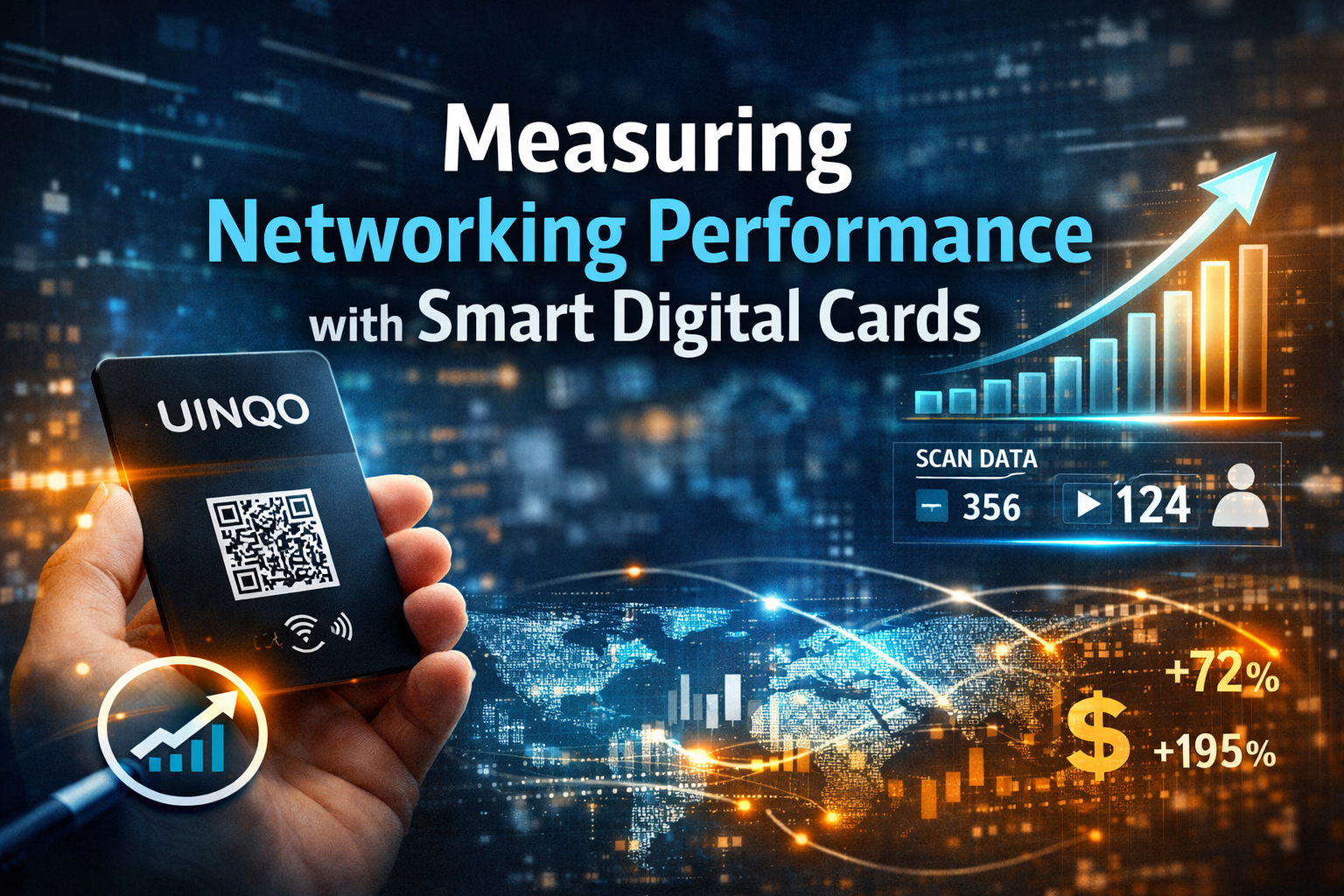
Platforms such as UINQO enhance digital business card networking by enabling professionals to switch between multiple profile views depending on context. A conference introduction may highlight a resume and portfolio, while a casual meeting may display a streamlined personal profile. This adaptability ensures that every interaction is purposeful and aligned with the audience.
Digital business card networking therefore converts temporary exchanges into evolving professional relationships supported by intelligent infrastructure.
The Power of Smart Contact Management
One of the most transformative aspects of digital business card networking is smart contact management. Instead of manually entering data from paper cards, digital systems automatically store and organize connections. Professionals can maintain contextual notes from conversations, track interaction history, and set reminders for follow-ups. This structured approach ensures that valuable contacts are not forgotten due to poor organization.
By maintaining a searchable and centralized database, digital business card networking transforms networking from a reactive task into a strategic process. Updates made to a profile are reflected for all saved contacts, reducing errors and maintaining professionalism. Over time, this creates a reliable ecosystem where relationships are nurtured intentionally rather than left to chance.
Why Professionals Are Moving Toward Digital Solutions
The shift toward digital business card networking reflects broader changes in professional expectations. Speed, accessibility, personalization, and sustainability now define successful networking practices. Static tools cannot meet these demands. Digital cards provide real-time accuracy, mobile-first accessibility, and interactive experiences that strengthen first impressions.
Offering a digital profile communicates adaptability and technological confidence. In industries where perception matters, this modern approach enhances credibility and distinguishes professionals from competitors still relying solely on paper methods. Digital business card networking also aligns with environmental responsibility, reinforcing a commitment to sustainable business practices.
As more professionals recognize these advantages, adoption continues to grow. The transition is not merely about convenience; it represents a strategic evolution in how relationships are built and maintained.
The Future of Professional Networking
The future of digital business card networking lies in deeper integration and personalization. As technology advances, digital profiles will increasingly connect with CRM systems, productivity platforms, and communication tools. Networking will become more intelligent, with automated follow-ups, engagement insights, and contextual sharing based on audience needs.
Personalization will also play a central role. Professionals will curate dynamic profiles tailored to specific industries, events, or collaborations. This ensures that networking interactions are highly relevant and impactful rather than generic exchanges of information.
Digital business card networking is shaping a future where professional relationships are continuously nurtured rather than momentarily exchanged. It turns introductions into living experiences that grow over time, strengthening collaboration, credibility, and opportunity.
Conclusion
Traditional networking methods are no longer sufficient in a fast-evolving professional world. Paper cards are static, fragile, and quickly outdated. Digital business card networking replaces these limitations with dynamic, real-time profiles that maintain accuracy and relevance across every interaction.
Platforms like UINQO demonstrate how seamless sharing, smart contact management, and adaptable profile switching can transform networking into a strategic system for growth. A simple tap or scan becomes the beginning of a sustainable professional relationship rather than a fleeting exchange.
Digital business card networking is not just a technological upgrade. It is a redefinition of how professionals connect, collaborate, and build lasting value in the modern era.