Real estate has always been a relationship-driven industry. From open houses to property expos, from coffee meetings to closing-day celebrations, success depends on how effectively agents build and nurture connections. Yet while the market has modernized with virtual tours, CRM systems, and online property listings, many agents still rely on a networking tool that has barely changed in decades: the paper business card.
Today’s clients expect immediate access to listings, digital brochures, video walkthroughs, and contact information. They expect convenience. They expect clarity. They expect modernity. This is where digital business cards are reshaping the industry. For real estate agents, they are not just a replacement for paper, they are a strategic networking advantage.
Why Traditional Business Cards Fall Short
Paper business cards have long been a symbol of professionalism. However, they present serious limitations in a modern real estate workflow. First, information on paper is static. When an agent changes phone numbers, updates branding, or wants to promote a new listing, printed cards become outdated instantly. Second, paper cards offer no analytics or tracking. There is no visibility into whether a potential buyer saved the contact, visited a listing, or shared the details with someone else.
Third, paper cards cannot integrate with digital systems. They cannot automatically feed into a CRM. They cannot categorize prospects. They cannot segment leads based on interest type: residential, commercial, rental, or luxury. In an industry where responsiveness and data matter, relying solely on paper creates friction.
The Rise of Digital Business Cards in Property Marketing
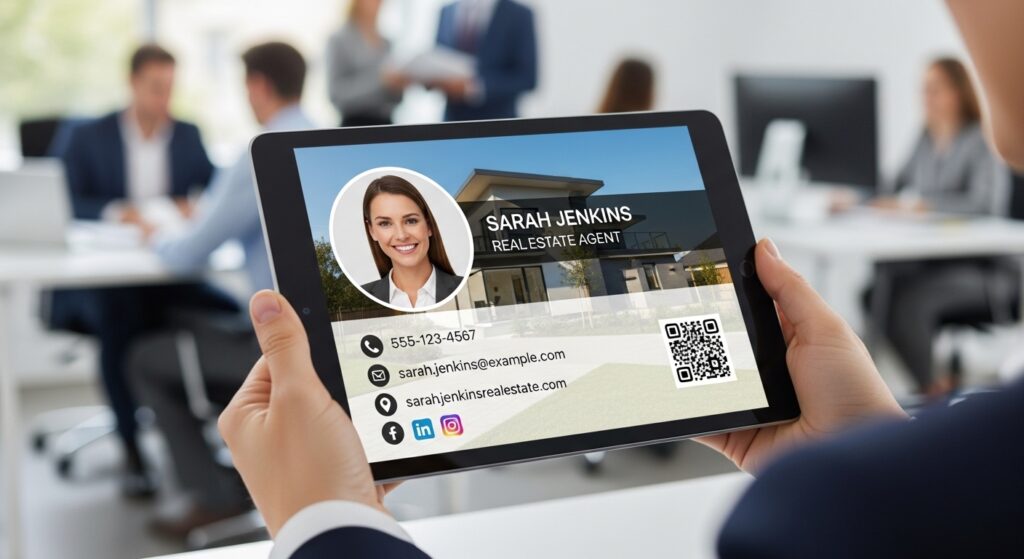
Digital business cards combine modern technology with seamless networking. Through NFC-enabled smart cards or dynamic QR code, agents can share their professional profiles instantly. A simple tap or scan transfers contact information, listing links, social media profiles, and even booking calendars directly to a client’s device.
This eliminates manual data entry errors and ensures prospects always have the most updated information. More importantly, it transforms a single interaction into a digital ecosystem of engagement. For real estate agents, this means every networking moment, whether at a property showing, investor meetup, or industry conference, becomes measurable and scalable.
How NFC Technology Enhances Real Estate Interactions
Near Field Communication, commonly known as NFC, allows two devices to communicate when placed close together. When embedded in a smart business card, NFC enables instant data transfer without requiring an app installation.
In a property showing, imagine handing over not a card, but a digital experience. A client taps their phone against the card and instantly receives a personalized landing page containing your bio, active listings, 3D virtual tours, and direct call or WhatsApp buttons. The interaction becomes dynamic instead of transactional. It feels innovative and memorable, which matters deeply in competitive markets. For real estate professionals, that first impression can determine whether a lead chooses you or another agent.
Personalized Landing Pages as Conversion Tools
A digital business card is more than contact details. It acts as a micro-website optimized for conversion.
For real estate agents, a personalized landing page can include featured properties, client testimonials, downloadable brochures, embedded video tours, and booking forms for consultations. Instead of sending multiple links through follow-up emails, everything lives in one cohesive space. This centralized experience strengthens branding consistency and increases engagement time. Prospects can browse listings immediately after receiving your contact. They can schedule a call without leaving the page. They can save your details to their device in seconds. When networking transitions into digital engagement instantly, conversion opportunities multiply.
Organizing Leads with Smart Contact Management
Real estate generates diverse types of contacts: buyers, sellers, investors, tenants, contractors, and referral partners. Managing these manually can become overwhelming.
Digital business cards integrated with smart contact management systems allow agents to categorize leads automatically. Contacts can be segmented into residential buyers, commercial prospects, high-net-worth investors, or first-time homeowners. This structured organization improves follow-up strategies. Agents can tailor email campaigns based on interest category, prioritize high-value prospects, and maintain clarity within their pipeline. In a market where timing is critical, having organized, searchable contact data can dramatically influence deal closure rates.
Multiple Profile Options for Market Segmentation
Real estate agents often operate in multiple niches. An agent may specialize in luxury villas while also handling commercial office spaces. Presenting the same generic card to every audience can dilute positioning.
Digital business cards solve this with multiple profile options. Agents can maintain different versions of their professional presence depending on the context. A luxury-focused profile may emphasize premium properties and high-end branding, while a commercial profile highlights ROI statistics and investment expertise. Switching between profiles ensures the message aligns with the audience. This targeted approach increases credibility and builds trust faster. In competitive markets, precise positioning often separates average performers from top producers.
Enhancing Brand Identity with Premium Smart Cards
Presentation matters deeply in real estate. Clients often associate an agent’s personal brand with the quality of service they expect.
Smart cards crafted from metal or bamboo materials elevate physical presence while maintaining digital functionality. A sleek Metal NFC card signals innovation and professionalism. A Bamboo card communicates sustainability and environmental awareness, which resonates strongly with eco-conscious buyers. Customization options allow agents to align the card design with their branding colors, logo, and typography. This consistency strengthens brand recall long after the first meeting. A well-designed smart card does not just share information, it reinforces identity.
Instant Sharing at Open Houses and Events
Open houses generate multiple interactions within a short period. Traditional sign-in sheets can be inefficient, and paper cards can easily get lost.
Digital business cards streamline this process. Visitors can tap or scan instantly, receiving listing details, floor plans, and agent information in real time. Agents can capture visitor details digitally, reducing paperwork and minimizing data loss. This immediate exchange accelerates follow-up communication. Instead of manually inputting contact details after an event, agents already have organized digital records. Efficiency in these moments translates into faster lead nurturing and stronger client relationships.
Integrating with Modern Real Estate Technology
The modern real estate ecosystem relies heavily on CRM platforms, email automation tools, and marketing analytics. Digital business cards align naturally with this environment.
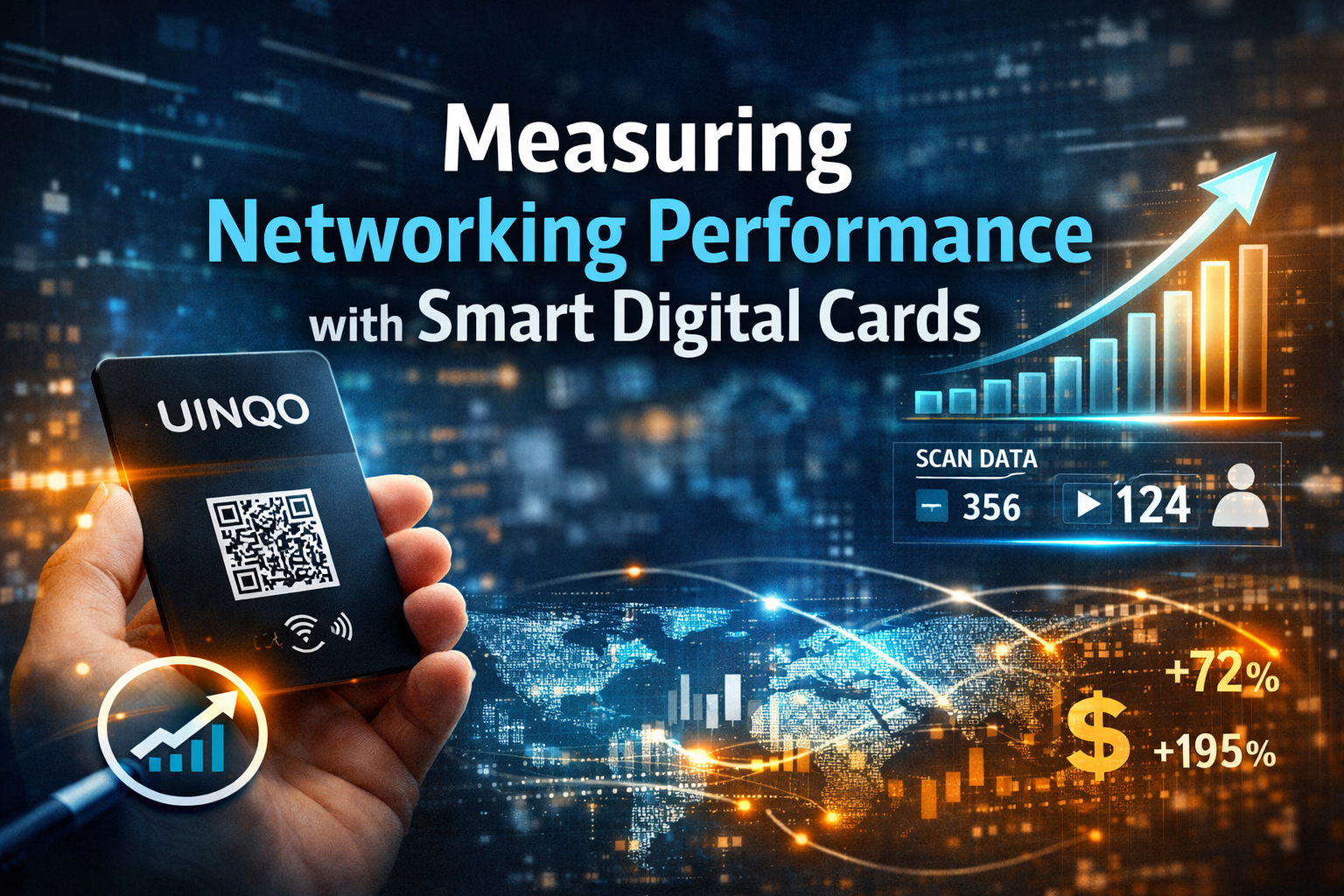
When contact data flows directly into a CRM, agents eliminate repetitive manual entry and reduce the risk of losing leads. Automated follow-ups can be triggered based on interaction type. Engagement metrics reveal which listings receive the most clicks. This data-driven approach transforms networking from a passive activity into an actionable growth strategy. Technology becomes not just a support system but a competitive weapon.
Sustainability and the Future of Networking
The real estate industry increasingly recognizes sustainability as a priority. From energy-efficient buildings to green certifications, environmental consciousness influences buyer decisions.
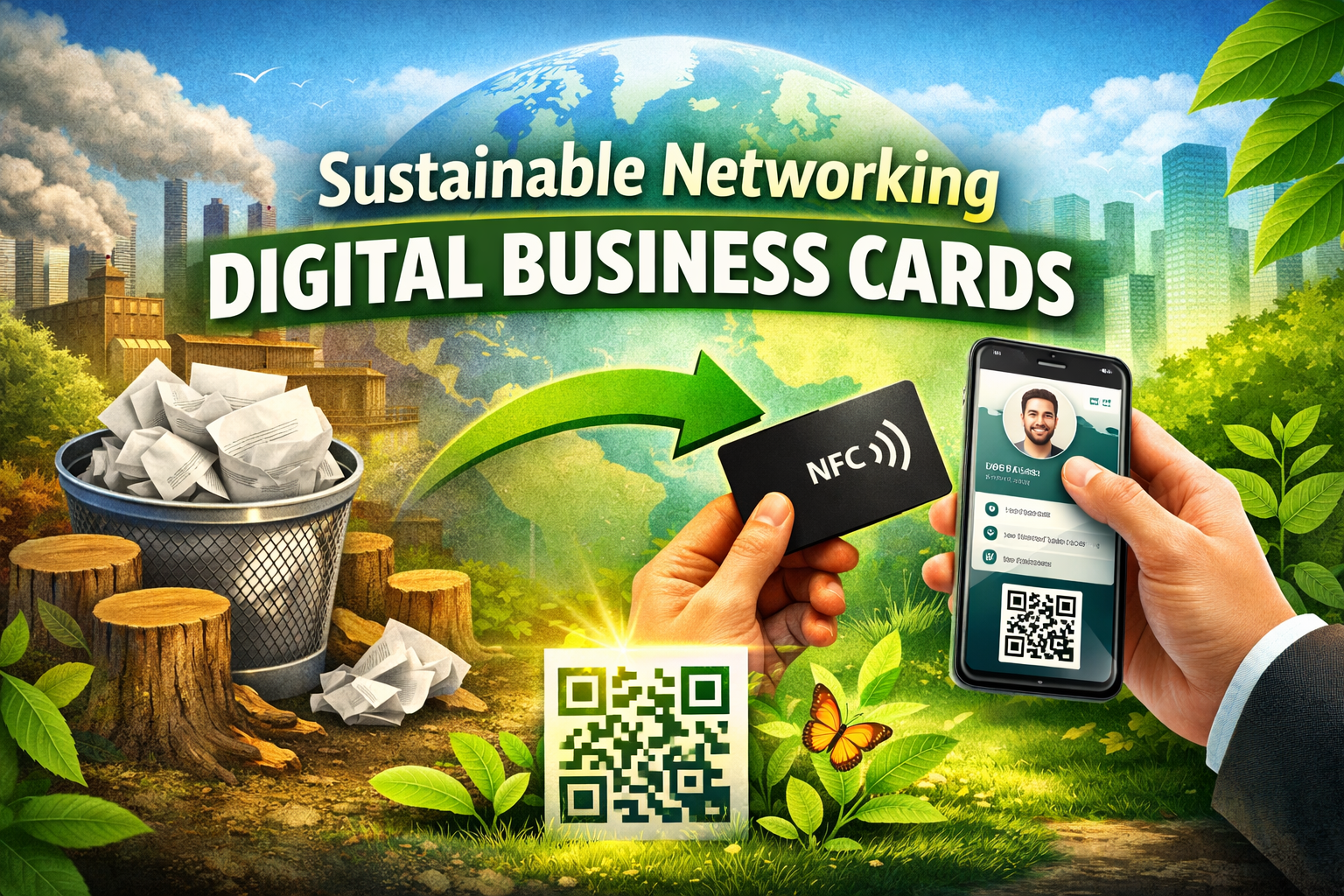
Replacing paper cards with reusable smart cards reduces printing waste and aligns with sustainable practices. For agents who position themselves as environmentally responsible professionals, this transition reinforces authenticity. Sustainability is no longer a marketing trend. It is becoming a business expectation.
Building Trust Through Immediate Accessibility
Clients in the property market often make high-value decisions under tight timelines. They want reassurance that their agent is accessible and organized. A digital business card provides immediate access to communication channels, listings, and scheduling tools. There is no waiting for follow-up emails to receive property details. Everything is available instantly. This level of accessibility builds confidence. It signals that the agent is modern, responsive, and attentive to client needs. Trust grows when communication barriers disappear.
Competitive Advantage in a Saturated Market
In many regions, the number of licensed real estate agents continues to grow. Standing out requires more than experience, it requires differentiation.
Using digital business cards demonstrates forward-thinking professionalism. It positions an agent as someone who embraces innovation rather than clinging to outdated practices. When clients compare two agents with similar credentials, subtle differences in presentation and efficiency can influence their choice. A smart networking tool may become the factor that tips the decision.
A Smarter Way to Connect Professionally
For real estate agents seeking to modernize their networking strategy, adopting digital business cards is not merely about replacing paper. It is about transforming every interaction into a measurable, branded, and organized experience.
Solutions like UINQO bring together NFC sharing, dynamic QR code, personalized landing pages, contact management, smart categorization, and multiple profile options into one seamless ecosystem. Instead of juggling separate tools, agents can manage their professional identity and lead flow from a unified platform.
The Future of Real Estate Networking
The property industry will continue to evolve with technology. Virtual reality tours, AI-powered property recommendations, and digital contracts are already becoming standard. Networking tools must evolve alongside them.
Digital business cards represent a foundational shift in how agents initiate and maintain relationships. They merge physical presence with digital intelligence. They convert first impressions into lasting engagement. They turn casual conversations into organized opportunities. For real estate agents determined to grow sustainably and professionally, embracing digital networking is no longer optional. It is a strategic decision that reflects the direction of the entire industry. In a world where connection speed and information accessibility shape client expectations, the smartest agents are choosing tools that align with the future. Digital business cards are not simply modern, they are transformative.