The way professionals exchange contact information has changed dramatically in the past decade. As businesses become more digital, remote collaboration increases, and networking events grow larger and faster, traditional paper business cards are no longer always enough. While printed cards have served professionals for decades, they come with limitations: they can get lost, they quickly become outdated, and they often require manual data entry that leads to errors.
In response to these challenges, digital solutions have emerged that make sharing information faster, smarter, and more interactive. Among these innovations, NFC business cards have become one of the most powerful tools for modern networking. These cards combine the physical presence of a traditional card with the convenience and flexibility of digital technology.
With a simple tap on a smartphone, an NFC business card can instantly share contact information, open a professional profile, display a portfolio, or link to social media accounts. Instead of handing someone a card and hoping they remember to save your details later, you can immediately create a digital connection.
Innovative platforms such as UINQO are pushing this concept even further by combining NFC-enabled cards with smart digital profiles and contact management tools. This approach transforms a simple business card into a dynamic networking ecosystem that helps professionals share information, organize contacts, and strengthen relationships.
Understanding how NFC business cards work and why they are becoming increasingly popular can help professionals adapt to the future of networking while making stronger impressions during every interaction.
What Is a Digital Business Card
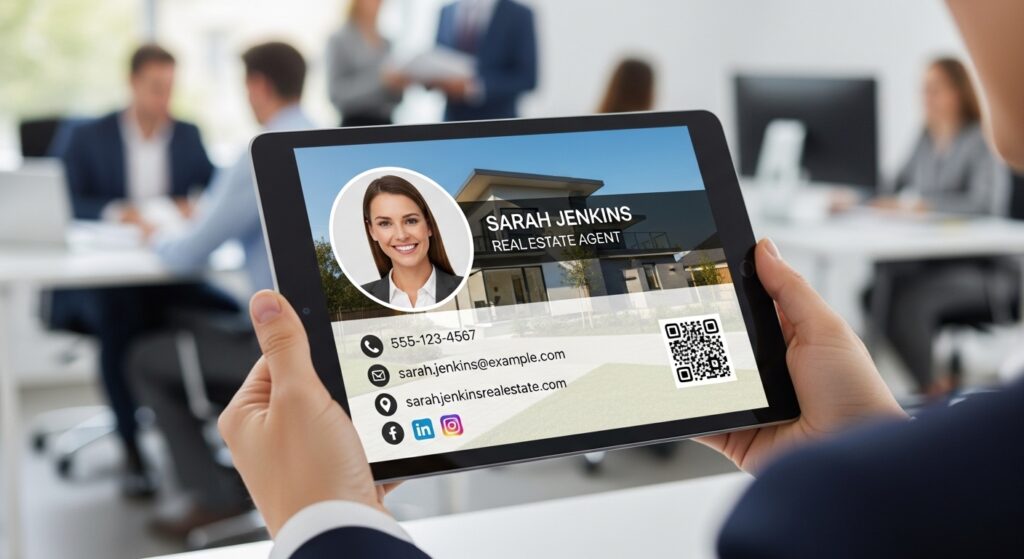
A digital business card is an electronic version of a traditional business card that allows professionals to share their contact information through digital platforms rather than printed materials. Instead of relying solely on a physical card with static information, a digital business card connects users to an online profile that can contain a wide range of details.
This digital profile can include phone numbers, email addresses, company websites, LinkedIn profiles, social media links, and even multimedia content such as videos or presentations. Unlike paper cards, which cannot be changed once printed, digital business cards can be updated at any time.
For example, if a professional change their job title, updates their phone number, or launches a new website, the digital card can be updated instantly. Anyone who previously received the card will automatically have access to the updated information. Many professionals now combine digital cards with physical technologies like NFC or QR code to make sharing information even easier. Instead of typing contact details manually, the recipient can simply tap or scan to access the digital profile.
Platforms like UINQO offer digital business card systems that integrate multiple profiles within a single card. This means that a professional could share one profile with clients, another with collaborators, and a portfolio-focused profile with potential employers. This flexibility helps users present the most relevant information in different networking contexts.
In this way, digital business cards are transforming how professionals present themselves and manage their networks in an increasingly connected world.
How NFC Business Cards Work
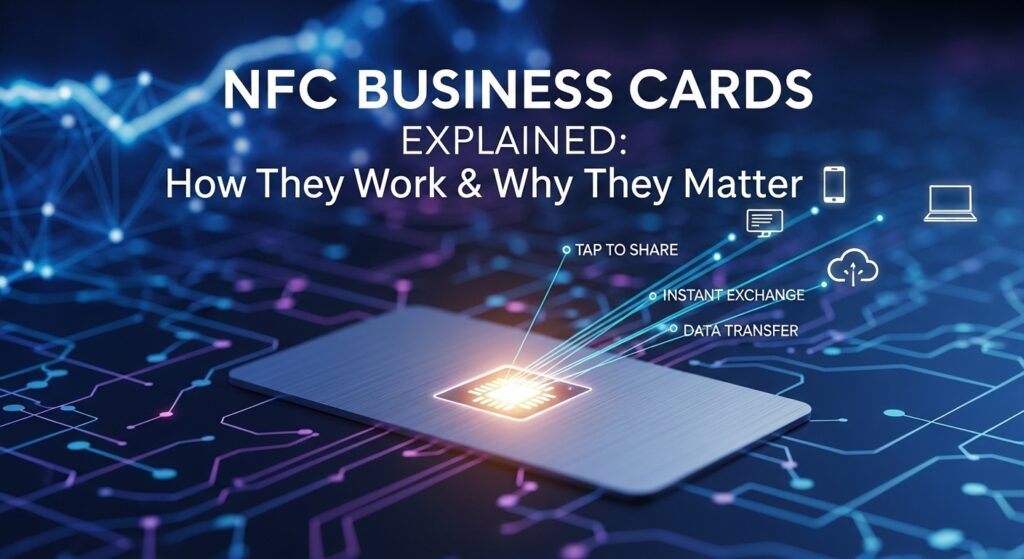
NFC business cards take the concept of digital business cards a step further by adding wireless communication technology to a physical card. NFC stands for Near Field Communication, a short-range wireless technology that allows devices to exchange data when they are placed close together.
An NFC business card contains a small chip embedded inside the card material. This chip stores a digital link or piece of information that can be transmitted when a smartphone comes within a few centimeters of the card.
When someone taps their smartphone against the card, the phone reads the chip and automatically performs the programmed action. This action might open a digital business card profile, display contact information, or direct the user to a personal website or portfolio. The process happens almost instantly and usually does not require downloading any apps. Most modern smartphones already have NFC capabilities built in, making the technology widely accessible.
For example, imagine attending a startup conference. Instead of exchanging paper cards with dozens of people, you can simply tap your NFC card against their phone. Within seconds, they see your digital profile with your contact information, social links, and company details.
UINQO enhance this experience by connecting NFC cards to customizable digital profiles that can be updated in real time. This ensures that the information shared through the card remains accurate and relevant long after the initial meeting.
NFC Chip Technology
The technology behind NFC business cards may seem complex, but the concept is surprisingly simple. The NFC chip embedded in the card functions as a tiny wireless transmitter that communicates with compatible devices. Unlike Bluetooth or Wi-Fi, NFC operates at a very short distance, usually less than four centimeters. This proximity requirement ensures both speed and security, as devices must be intentionally placed close together to exchange data.
The chip itself does not require a battery. Instead, it draws power from the electromagnetic field generated by the smartphone when the phone comes near the card. This allows the chip to transmit stored information without any internal power source. Most NFC business cards do not store large amounts of data directly on the chip. Instead, they store a link that directs the user to an online digital profile. This approach allows the information associated with the card to be updated without needing to replace the card itself.
For instance, a consultant might initially use their card to share a profile that highlights consulting services. Months later, they might update the profile to include new case studies or testimonials. The same card continues to work, but the content linked to it evolves.
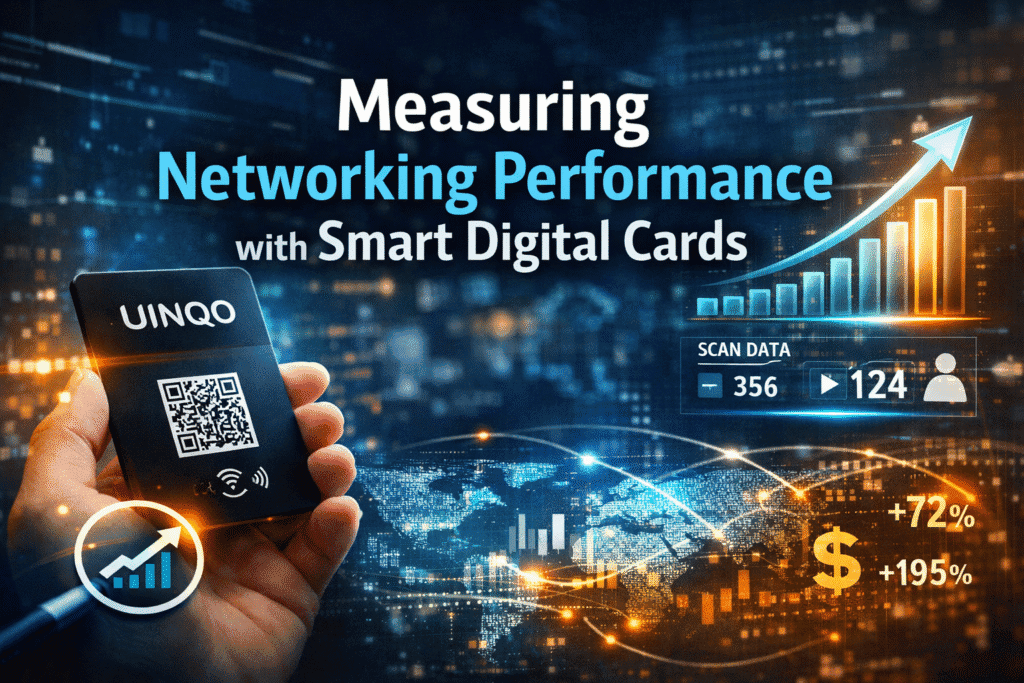
Advanced digital business card platforms like UINQO also allow users to track engagement with their cards. When someone taps the card and visits the profile, the system can record analytics that help professionals understand how their network interacts with their information.
Tap-to-Share Process
One of the most appealing aspects of NFC business cards is the simplicity of the tap-to-share process. Unlike traditional networking tools that require multiple steps, NFC cards allow information to be exchanged almost instantly.
The process begins when a professional hand their NFC business card to another person during a meeting or networking event. Instead of typing contact details manually, the recipient simply brings their smartphone close to the card. Within seconds, the smartphone detects the NFC chip and automatically opens the associated digital profile or website. The recipient can then view contact details, save the information to their phone, or explore additional links.
Consider a freelance graphic designer meeting a potential client at a conference. With an NFC business card, the designer can instantly share not only their contact information but also a portfolio showcasing previous design work. This creates a stronger impression and allows the client to evaluate the designer’s capabilities immediately. The simplicity of this interaction makes networking smoother and more memorable. There is no need to search for pens, type numbers into phones, or worry about losing contact details later.
UINQO make the tap-to-share experience even more powerful by allowing users to create multiple profiles linked to a single card. For example, one tap could reveal a professional business profile, while another option might display a portfolio or social media links. This versatility ensures that every interaction can be tailored to the specific audience.
Benefits of NFC Digital Business Cards
The growing popularity of NFC business cards is driven by several advantages that traditional paper cards simply cannot offer. These benefits improve both the efficiency and the impact of professional networking.
One of the most significant advantages is accuracy. When contact details are shared through NFC technology, there is no need for manual typing. This eliminates the risk of spelling errors, incorrect phone numbers, or misplaced information. Another major benefit is adaptability. Because NFC cards link to digital profiles, users can update their information at any time without printing new cards. This saves both time and money while ensuring that contacts always have access to the most current details.
NFC business cards also provide valuable networking insights. Some digital platforms track how often a card is tapped, which links are clicked, and how users interact with the profile. Platforms like UINQO enhance this capability by integrating Digital Business Card Analytics, allowing professionals to monitor engagement with their digital profiles in real time. Through these analytics, users can see which connections viewed their profile, which sections attracted the most attention, and how frequently their card was accessed.
This data-driven approach helps professionals understand which networking strategies are working effectively and which connections may benefit from timely follow-up, turning simple introductions into measurable and strategic relationship-building opportunities.
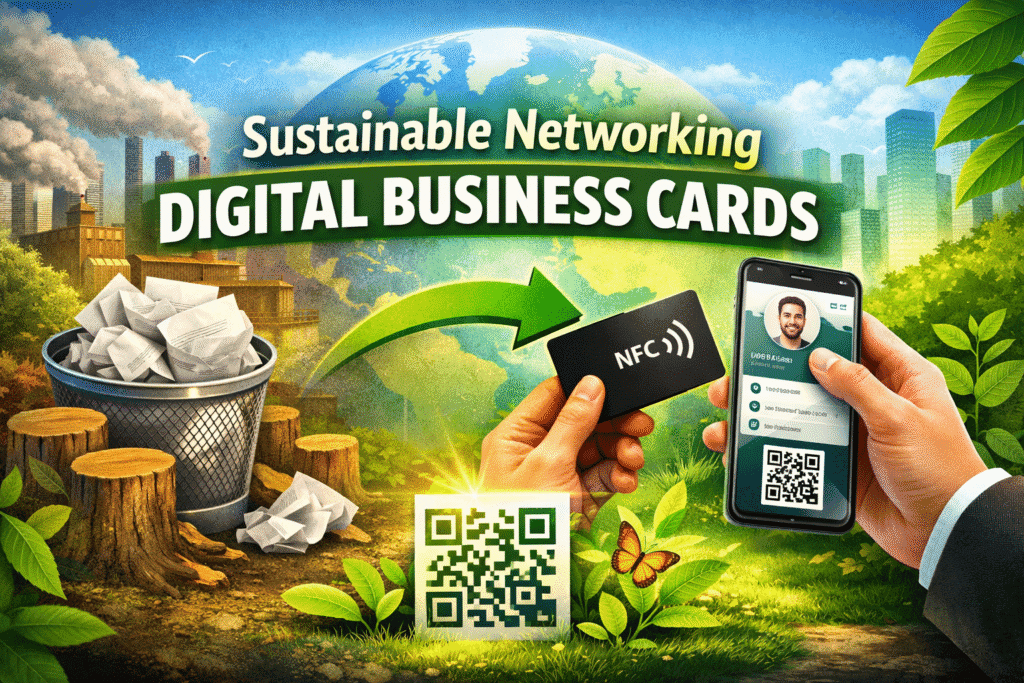
Sustainability is another important factor. Millions of paper business cards are printed every year, many of which are discarded or forgotten. NFC cards reduce this waste by offering a reusable alternative that can last for years. In addition, the physical design of NFC cards often enhances their appeal. Many companies offer premium materials such as metal, bamboo, or durable plastic, turning the card itself into a memorable object.
For example, UINQO offers NFC cards made from high-quality materials that combine modern technology with elegant design. This blend of functionality and aesthetics helps professionals leave a lasting impression during meetings and events.
NFC vs QR Code Digital Business Cards
Both NFC and QR code technologies are used to power digital business cards, but they offer slightly different experiences for users.
QR codes require the recipient to open their smartphone camera, scan the code, and follow the link that appears. While this process is still quick, it involves a few extra steps compared to NFC technology.
NFC business cards simplify the interaction even further. Instead of scanning a code, the recipient simply taps their phone against the card. The phone automatically detects the chip and opens the associated digital profile.
This difference may seem small, but it can make a significant impact during busy networking events. When professionals are meeting many people in a short time, the speed and simplicity of NFC interactions can make connections feel smoother and more natural.
Another difference lies in design flexibility. QR codes must be visible on the card in order to be scanned, which can sometimes limit aesthetic options. NFC chips, on the other hand, are hidden inside the card, allowing for cleaner and more sophisticated designs. Many professionals choose to combine both technologies on a single card. This ensures compatibility with all devices, including phones that may not support NFC.
By offering both NFC and QR capabilities, UINQO ensure that users can share their digital profiles with anyone, regardless of device limitations.
Who Should Use NFC Business Cards
NFC business cards are useful for a wide range of professionals across many industries. Anyone who regularly networks, meets clients, or attends events can benefit from the convenience and efficiency these cards provide.
Entrepreneurs often use NFC cards to quickly introduce their startups and share links to company websites or pitch decks. Sales professionals benefit from the ability to share contact information instantly while also directing potential clients to product pages or service descriptions. Freelancers and creatives, such as designers, photographers, and consultants, frequently use NFC cards to showcase their portfolios. Instead of describing their work verbally, they can allow potential clients to view real examples immediately.
Corporate executives and managers also find NFC cards useful when attending conferences or international meetings. The ability to update contact details without printing new cards makes the technology particularly valuable in dynamic professional environments. For example, a marketing consultant attending a technology conference might use an NFC card linked to a profile that includes case studies, client testimonials, and social media links. Within seconds, potential partners can explore the consultant’s work and connect through multiple channels.
UINQO enhance this experience by allowing professionals to organize contacts, track engagement, and manage multiple profiles from one central platform.
Future of Digital Networking
The rise of NFC business cards reflects a broader shift in how professionals connect and share information. Networking is becoming increasingly digital, data-driven, and interactive. As hybrid work environments become more common and professionals attend both physical and virtual events, tools that bridge offline and online interactions will become even more important.
NFC business cards are perfectly positioned to support this transition. They provide the physical experience of exchanging a card while instantly connecting users to digital platforms that offer deeper engagement. Future developments may include even more customization, advanced analytics, and integrations with customer relationship management systems. Professionals may be able to track networking outcomes more effectively and nurture relationships with greater precision.
UINQO is already exploring ways to expand the capabilities of digital networking tools by combining NFC technology with smart contact management and personalized digital profiles.
Conclusion
NFC business cards represent a powerful evolution in professional networking. By combining the familiar concept of a physical business card with the flexibility of digital technology, they create a faster, smarter, and more engaging way to share information. Instead of relying on static printed cards that can easily be lost or outdated, professionals can use NFC cards to create instant digital connections that remain accurate and accessible over time.
With platforms like UINQO providing customizable profiles, contact management tools, and high-quality card materials, NFC business cards are becoming an essential resource for modern professionals. In a world where first impressions matter and connections move quickly, a simple tap can transform a brief introduction into a lasting professional relationship. NFC business cards ensure that every interaction is efficient, memorable, and aligned with the future of digital networking.