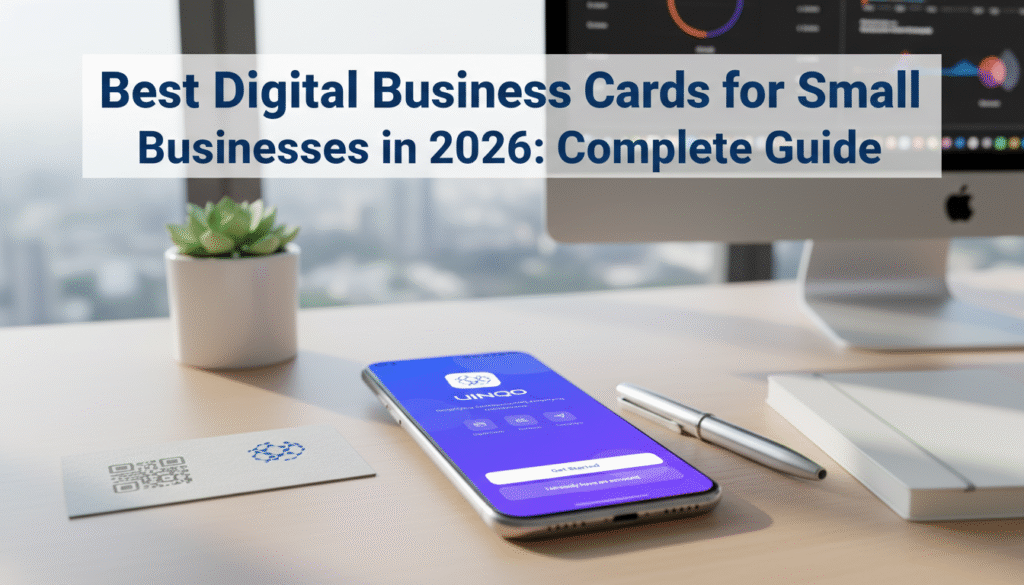
In 2026, small businesses face a unique challenge: standing out in an increasingly digital and competitive world while maintaining genuine, personal connections. Traditional paper business cards, once the cornerstone of professional networking, are rapidly becoming obsolete. They are easy to lose, hard to update, and do little to reflect the dynamic nature of modern businesses. Enter digital business cards, smart, versatile tools that are reshaping the way small businesses connect, share information, and manage their professional relationships. For startups and small enterprises looking to make a lasting impression, platforms like UINQO are revolutionizing the way connections are made.
Why Small Businesses Need Digital Business Cards
Small businesses thrive on relationships. Whether it’s networking at trade shows, meeting potential clients, or collaborating with partners, every connection counts. Traditional business cards often fall short in this environment. They offer no analytics, cannot be updated after printing, and require physical storage and organization, which is time-consuming for small teams.
Digital business cards eliminate these problems. They offer real-time updates, interactive features, and seamless sharing via NFC technology or QR codes. For small businesses, this means every networking opportunity can translate into a lasting, trackable connection. Tools like UINQO take this further by integrating multiple features into a single platform, simplifying the way entrepreneurs share their professional identity.
Features of the Best Digital Business Cards
When choosing a digital business card platform, small business owners should focus on flexibility, customization, and efficiency. A strong solution combines several key features. UINQO, for instance, goes beyond simple digital contact sharing. It provides smart NFC business cards and dynamic QR code that instantly connect clients or collaborators to a personalized landing page. This landing page can display multiple profiles, company information, social links, and more, allowing small businesses to showcase their brand in a polished, professional manner.
Another critical feature is contact management. Small business owners often juggle multiple leads, vendors, and collaborators. Platforms like UINQO offer smart contact categorization, making it easy to organize, search, and segment connections. This ensures that no important contact gets lost in the shuffle and follow-ups are timely and efficient.
Customization is equally important. The ability to reflect your brand identity through the card design is vital for creating a memorable impression. UINQO provides creative options, including metal and bamboo cards, as well as the innovative Dimension Card, allowing businesses to tailor their card’s appearance, material, and overall experience to their brand values and audience.
NFC vs. QR Code: Choosing the Right Sharing Method
One of the most discussed topics in digital business cards is the choice between NFC and QR codes. Both methods offer distinct advantages, and understanding them can help small businesses maximize engagement. NFC (Near Field Communication) technology allows a recipient to simply tap their phone on the card to instantly receive all contact information. This seamless interaction is highly effective in live networking scenarios, eliminating the need for app downloads or manual entry.
On the other hand, QR code are universally accessible. Any smartphone with a camera can scan a QR code, making it ideal for events, printed marketing materials, or situations where direct contact isn’t possible. Platforms like UINQO combine both methods, ensuring that businesses can offer multiple touchpoints for sharing, accommodating preferences, and increasing the chances of a successful connection.
Benefits Beyond Networking
The impact of digital business cards extends far beyond immediate contact sharing. For small businesses, every interaction is an opportunity to build credibility and foster relationships. Digital cards allow businesses to present additional content, such as portfolios, video introductions, and links to social media profiles, all in one place. This elevates the networking experience from a simple exchange of contact information to a full representation of your business value.
Moreover, digital business cards are environmentally friendly. Reducing reliance on paper not only cuts costs but also supports sustainability, an increasingly important consideration for small businesses and their clients. By adopting platforms like UINQO, small businesses align themselves with a modern, responsible approach to networking that resonates with clients and partners alike.
Analytics and Strategic Follow-Up
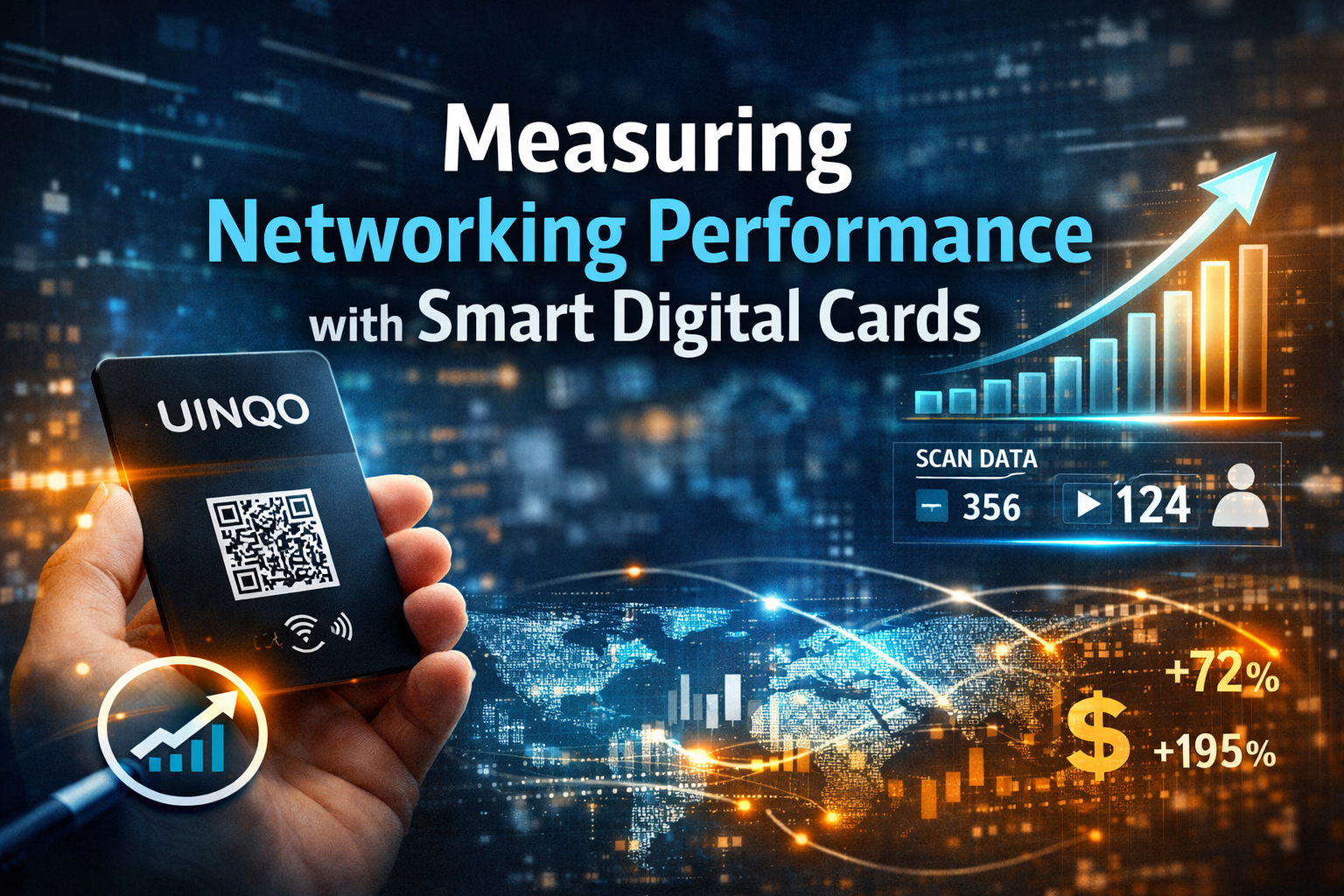
One of the most powerful yet often underappreciated advantages of digital business cards is the ability to track and analyze engagement. Unlike traditional paper cards, which disappear into a wallet or drawer with no insight into their impact, digital cards provide detailed, real-time feedback on how your connections interact with your information. Platforms like UINQO go beyond simply sharing contact details, they offer analytics that show when a card has been opened, which specific links or sections were clicked, and even how frequently recipients return to view your information.
For small business owners, this data is a goldmine. By understanding which parts of your card capture the most attention, prioritize high-potential leads, and craft follow-ups that feel personal rather than generic. If a potential client repeatedly engages with your portfolio or product links, for instance, you can strategically reach out with targeted offers or insights, increasing the likelihood of conversion. Over time, these insights help businesses identify patterns in networking behavior, optimize outreach strategies, and strengthen professional relationships. In essence, digital business cards transform networking from a passive exchange into a proactive, data-driven strategy that maximizes every connection.
Integration With Business Tools
Digital business cards are not just a standalone solution, they can integrate with broader business workflows. UINQO, for instance, allows for seamless synchronization with CRM systems and ensuring that every new contact is captured efficiently and follow-ups are automated where possible. This integration saves small business owners time, reduces errors, and ensures that no opportunity slips through the cracks.
Personal Branding for Small Businesses
In the crowded landscape of 2026, personal branding is crucial for small business success. Every interaction is a chance to communicate professionalism, creativity, and reliability. A well-designed digital business card serves as an extension of your brand, conveying a modern, tech-savvy image that builds trust. UINQO enhances this by offering multiple profile options on a single card, allowing business owners to present themselves differently depending on the context, whether for clients, investors, or collaborators.
The Future of Networking
The adoption of digital business cards is set to grow exponentially as technology continues to advance. Small businesses that embrace this shift gain a competitive advantage, demonstrating adaptability and innovation. Platforms like UINQO are leading this transformation, providing an all-in-one solution that simplifies communication, amplifies connections, and ensures that small businesses can compete with larger enterprises in terms of professionalism and efficiency.
In 2026, networking is no longer about handing out stacks of paper cards; it’s about creating meaningful, trackable, and interactive experiences. Digital business cards empower small businesses to do just that, bridging the gap between physical and digital interactions while providing tools that enhance every stage of the networking process.
Implementing Digital Business Cards in Your Strategy
For small business owners ready to adopt digital business cards, a strategic approach is essential. Start by creating a personalized landing page that clearly communicates your brand, services, and key contact points. Ensure your card includes both NFC and QR sharing options to accommodate all recipients. Leverage the analytics tools to understand engagement patterns and refine your approach.
Furthermore, take advantage of the creative customization options available through platforms like UINQO. Choosing premium materials such as metal or bamboo cards, or experimenting with the Dimension Card design, can make a lasting impression at networking events, trade shows, and client meetings. Small touches in design and functionality can distinguish your business from competitors and leave a memorable impact on prospects.
Conclusion
Digital business cards are more than just a technological novelty, they are a strategic tool for small businesses aiming to grow in 2026 and beyond. They simplify communication, enhance networking, and provide valuable insights into client engagement. Platforms like UINQO are at the forefront of this transformation, offering a comprehensive suite of features including smart NFC and QR code sharing, personalized landing pages, contact management, and creative customization options that elevate professional interactions.
For small businesses, adopting digital business cards is no longer optional, it’s a necessity. By leveraging these tools effectively, businesses can create meaningful connections, present their brand with clarity and sophistication, and stay ahead in a fast-paced, digital-first professional landscape. As the business world evolves, those who embrace innovation today will enjoy stronger relationships, higher visibility, and greater opportunities tomorrow.