We don’t wake up and open a browser anymore. We wake up and check our phones.
Before our feet even touch the floor, our phones have already guided the first moments of the day. The calendar reminds us about meetings. Messages appear from colleagues or friends. Maps calculate the fastest route to the office. Payment apps handle transactions, music starts playing, and photos capture memories we want to keep. Nearly everything that matters in our daily lives sits one tap away on the screen we carry everywhere.
The web is still important, but it has quietly become a place we visit rather than a place where we live. The smartphone, on the other hand, has become the center of everyday activity. It holds our identity, our communication, our navigation, and our professional relationships. When you’re late for a meeting, you don’t open a browser to search for directions. You simply open maps and go. When a package arrives, you don’t search your email inbox for updates; a notification tells you instantly. When you meet someone at an event, you don’t type out contact details manually. You scan a code, tap a phone, or share a profile.
This shift is exactly why the digital business card app has become a natural evolution of professional networking. Instead of relying on static paper cards, professionals now exchange information through dynamic profiles that live on their phones. The smartphone doesn’t just display information. It connects that information to real life, allowing actions to happen instantly.
Why Phone-First Experiences Win the Moments That Matter
The smartphone has quietly become the most powerful tool for everyday life because it removes friction from almost every interaction. Tasks that once required multiple steps now happen instantly with a tap or glance.
Logging into services used to mean remembering passwords, filling out forms, and waiting for verification emails. Today, a fingerprint or face scan unlocks everything in seconds. Payments once involved entering long card numbers and passing security checks. Now, a quick biometric confirmation completes the transaction. Sharing files once required uploading documents and waiting for downloads. On a smartphone, the sharing sheet handles it instantly.
The web tries to imitate these experiences, but it rarely matches the seamless flow of native mobile interactions. Even well-designed websites can feel slow or disconnected when compared to the speed of a native app.
Reliability is another reason why smartphones dominate the most important moments. Real life happens in places where internet connections are not always perfect. Subways, elevators, airplanes, and crowded stadiums often have unreliable signals. Mobile apps can store essential information locally and synchronize when the connection returns. Websites, however, often depend on perfect connectivity, which makes them less reliable when things become urgent.
Artificial intelligence is widening this gap even further. Features such as real-time translation, instant text recognition, document scanning, and live transcription work best when they operate directly on a device. The faster these tools respond, the more magical they feel. When delays occur because information must travel through a browser tab and remote server, the experience quickly loses its impact.
The smartphone thrives in these real-time scenarios because it is always present, always connected to our identity, and always ready for action.
The Rise of the Digital Business Card App
Professional networking has always depended on quick exchanges of contact information. For decades, the paper business card was the standard solution. It served its purpose well, but it also came with limitations.
Paper cards are static. Once printed, they cannot change. If your phone number changes or your role evolves, the card becomes outdated. Cards can be lost, damaged, or forgotten in a drawer after an event. Most importantly, they require manual follow-up. Someone has to type the details into their phone or contact list later.
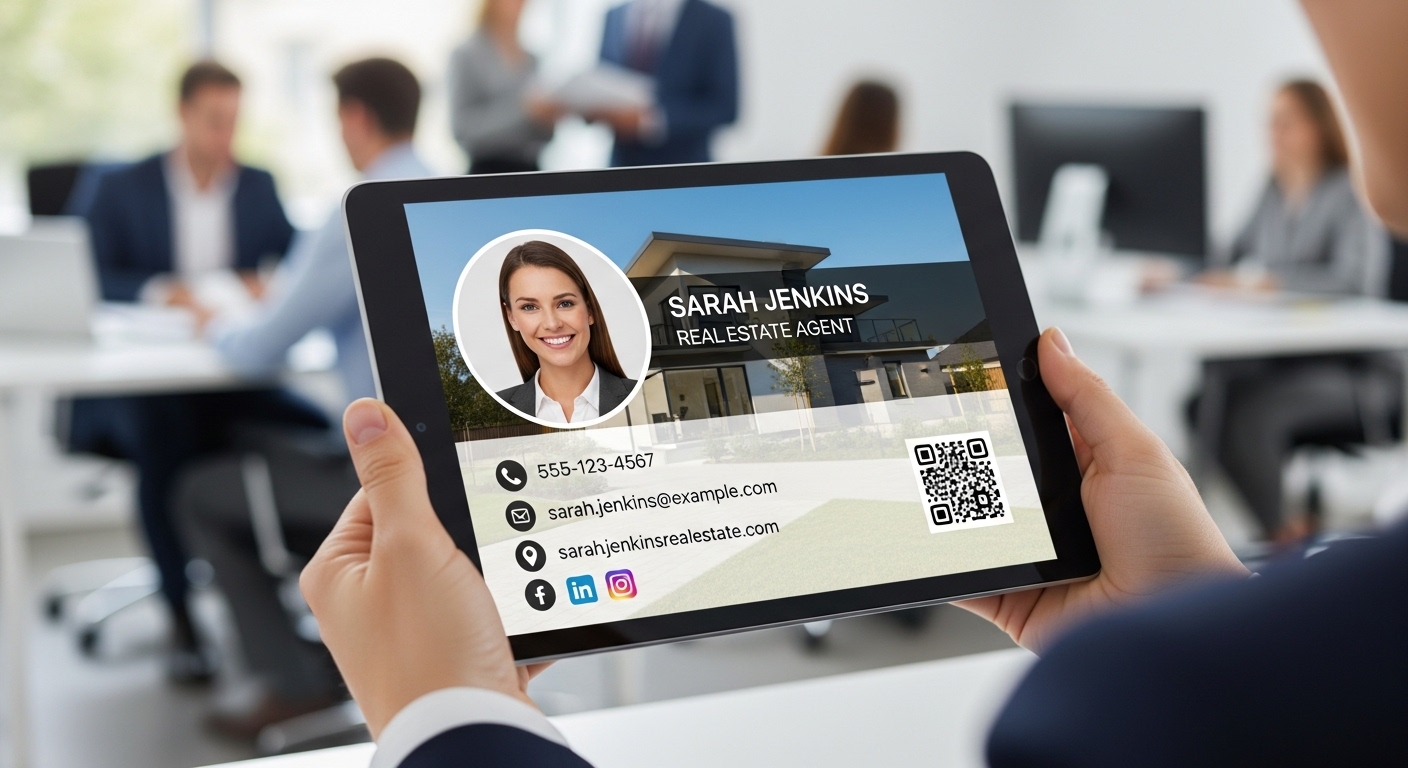
A digital business card app solves these problems by transforming contact sharing into a dynamic, living profile. Instead of handing someone a piece of paper, you share a digital identity that can include your phone number, email, social links, portfolio, company website, and more. The recipient can save your details instantly with a single tap or scan.
Digital business cards are becoming increasingly popular because they simplify networking while improving the quality of connections. Professionals can share their contact information through QR code, NFC taps, or links, making the process fast and contactless. According to industry insights, digital cards allow information to be shared instantly and updated anytime without reprinting materials, saving both time and cost.
This shift is not just about replacing paper. It is about transforming networking into a smarter, more connected experience.
How QR Code Business Cards Make Networking Instant
The QR code business card has become one of the simplest and most powerful tools in modern networking. Instead of manually exchanging phone numbers or writing down email addresses, professionals can simply display a code on their phone. When scanned, that code instantly opens a profile containing their information.
This process removes friction from the moment of connection. No typing, no searching later, no lost cards.
Digital business cards also provide features that paper cards never could. They can include multimedia content, social links, booking pages, and even product demonstrations. This allows professionals to present a more complete version of themselves in a single interaction.
Another advantage is that digital cards are always accessible. Because they live on smartphones, professionals can share them anytime, whether they are attending a conference, meeting a client for coffee, or participating in an online meeting.
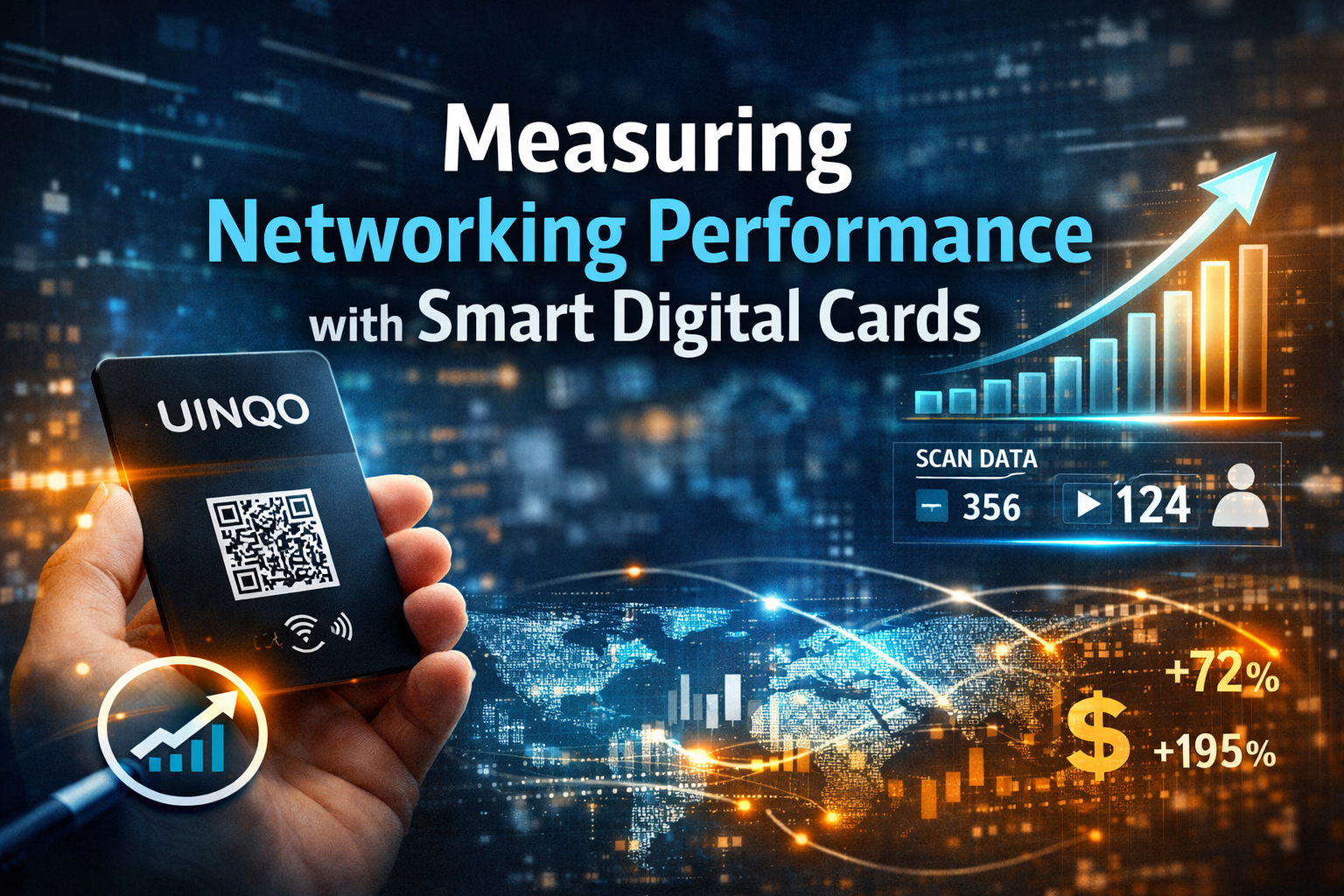
In addition, many platforms integrate with contact management systems and CRM tools. When someone scans your QR code business card, their information can automatically be stored, organized, and prepared for follow-up. This turns simple introductions into structured professional relationships.
Professional Networking Is Moving to Apps
The shift from websites to apps has transformed nearly every industry, and professional networking is no exception. People no longer rely on static online profiles alone. They expect real-time interactions that feel natural on their phones.
A professional networking app allows connections to evolve beyond a single exchange of contact details. Profiles can be updated instantly, conversations can continue seamlessly, and new opportunities can be discovered without the friction of traditional systems.
This is particularly valuable at conferences, industry events, and business meetings where dozens of introductions may happen in a single day. Instead of collecting stacks of paper cards, professionals can organize contacts digitally and revisit them later with context still fresh in their minds.
Digital networking platforms also create opportunities for deeper relationships. Because profiles can include links, portfolios, and personal insights, they help people understand each other more clearly from the very first interaction.
In many ways, digital business cards are not just tools for sharing contact information. They are gateways to ongoing professional conversations.
UINQO’s Use Cases in the Wild
The benefits of a digital business card app become clear when you see how people actually use it in real life.
At a conference, someone scans a badge or a paper card they received earlier. The system recognizes the details, organizes the contact, and proposes a follow-up. Instead of losing the connection in a pile of notes, the relationship begins to take shape immediately.
Later that day, two professionals meet at a café to discuss a partnership idea. Instead of searching for email addresses or typing phone numbers into their devices, they simply tap their phones using NFC technology. Within seconds, their profiles are exchanged and saved.
After the event ends, the platform automatically groups the new connections from that day. Notes can be added, conversations can continue, and the contacts can even be exported to a CRM system. This ensures that the momentum of networking doesn’t disappear once the event is over.
Moments like these reveals how technology can remove friction from human interaction while strengthening relationships.
The Web Is the Front Door. The Smartphone Is the Living Room.
Some people still argue that the web remains the most open and universal platform. In many ways, they are right. The web is a powerful tool for discovery. It allows people to search, read, and explore information from anywhere in the world.
But discovery is only the beginning of a relationship.
The real value appears when attention, identity, and action come together in one place. That place is increasingly the smartphone. The apps on a home screen represent the services we trust the most. They are the tools we open without thinking because they have already proven their usefulness.
A website can introduce an idea, but a mobile app becomes part of daily life. It is the icon someone taps when they need something quickly. It is the widget that shows information before they even ask for it. It is the notification that reminds them to follow up with a new connection.
This is why phone-first platforms are becoming the center of modern professional ecosystems.
The Bottom Line
The web is the front door. And the smartphone is the living room.
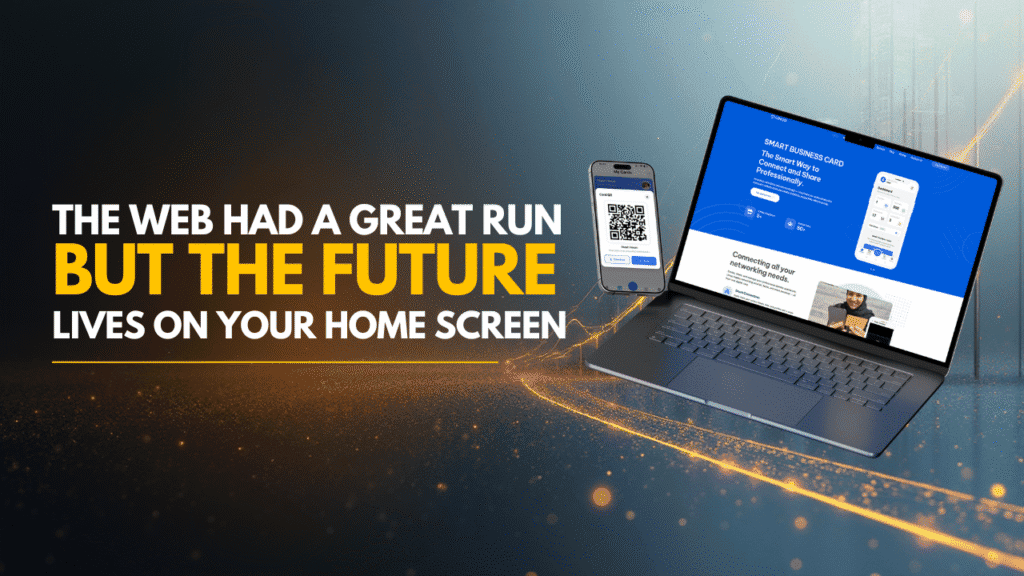
If you want to be part of someone’s day instead of just their search history, you need to live where their attention and actions already exist. That place is the home screen.
Digital networking tools are evolving to meet this reality. A smart digital business card is no longer just a replacement for paper. It is a bridge between conversations and lasting professional relationships.
UINQO is being built with that future in mind. The goal is simple: create quick, respectful, phone-first interactions that turn a casual introduction into a meaningful connection. By reducing friction and organizing relationships intelligently, networking becomes less about exchanging information and more about building genuine partnerships.
Move closer to the moment. Live on the home screen. That’s where the future and UINQO belongs.