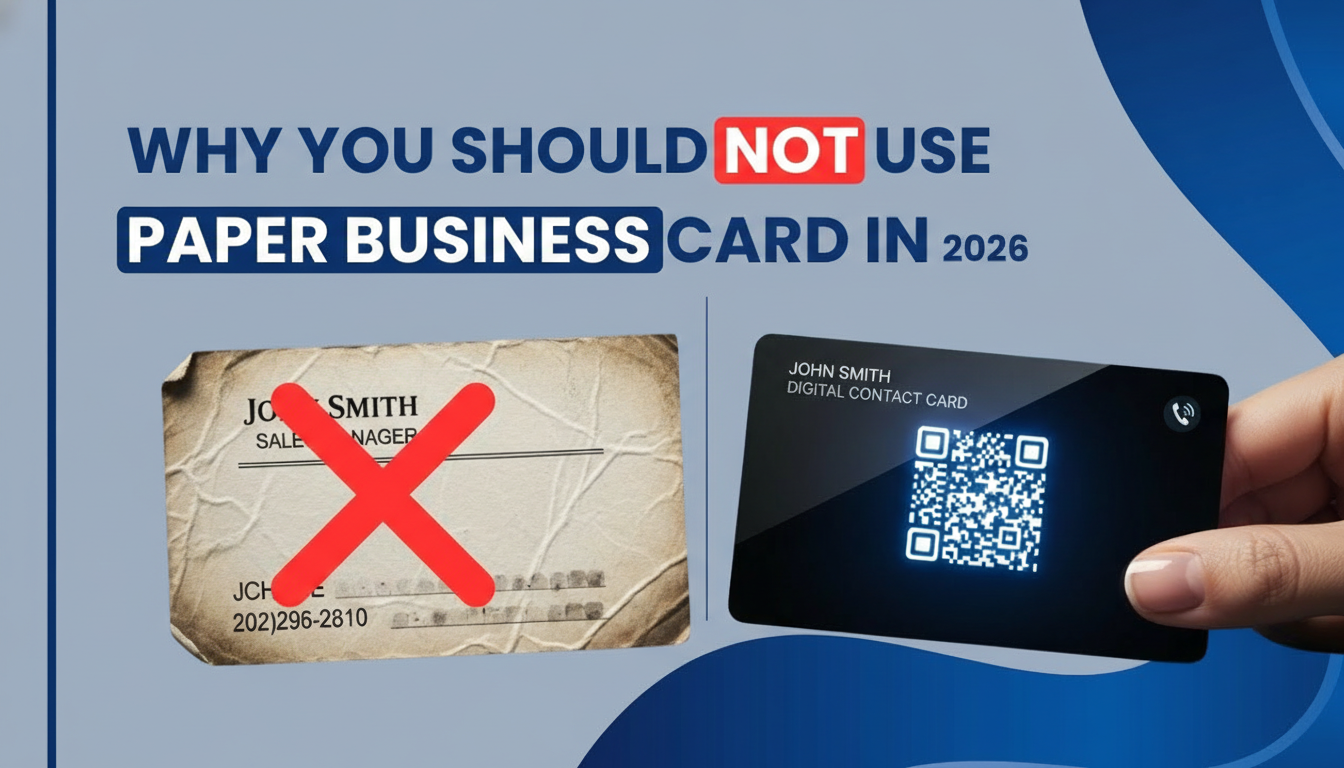
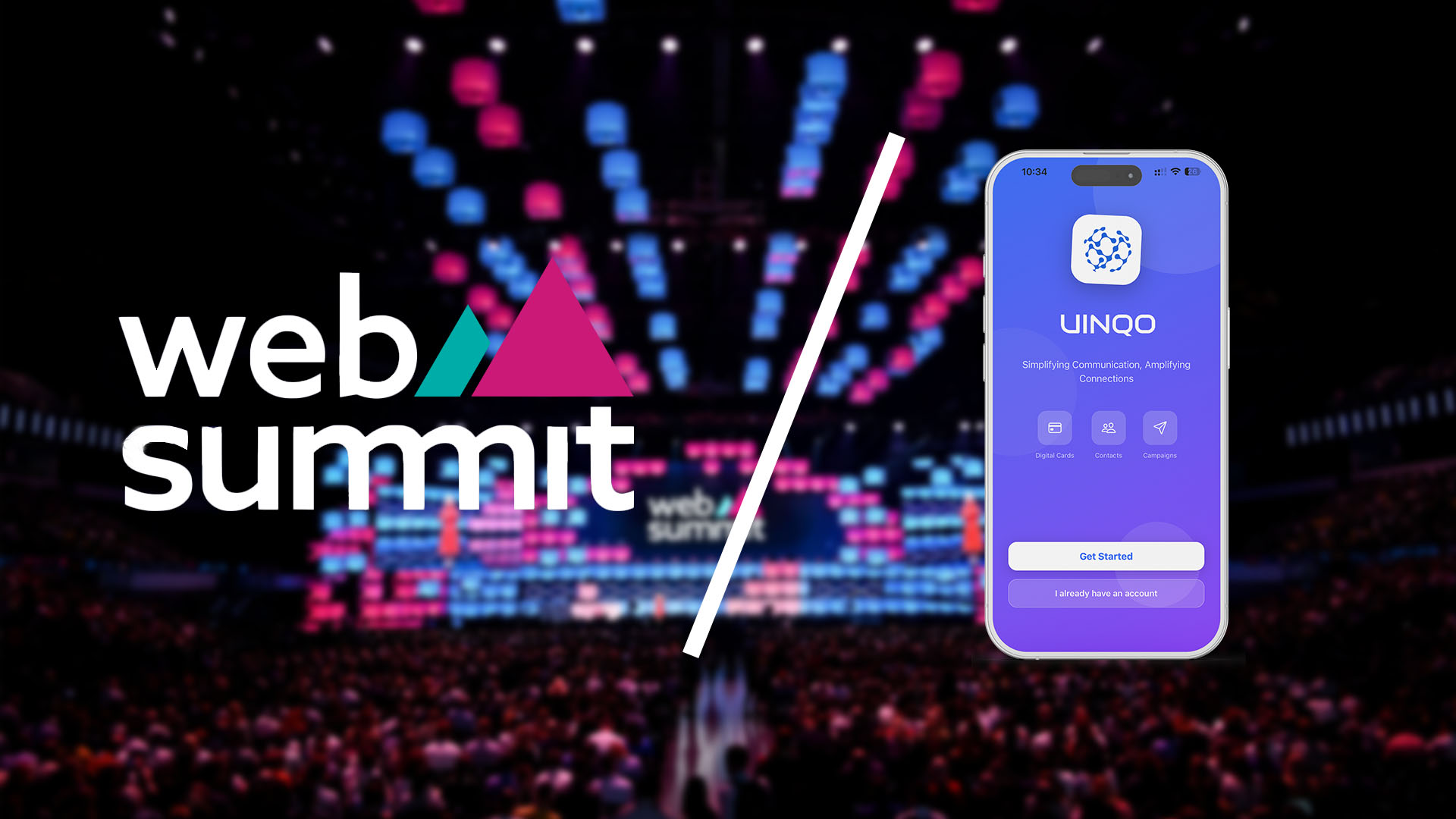
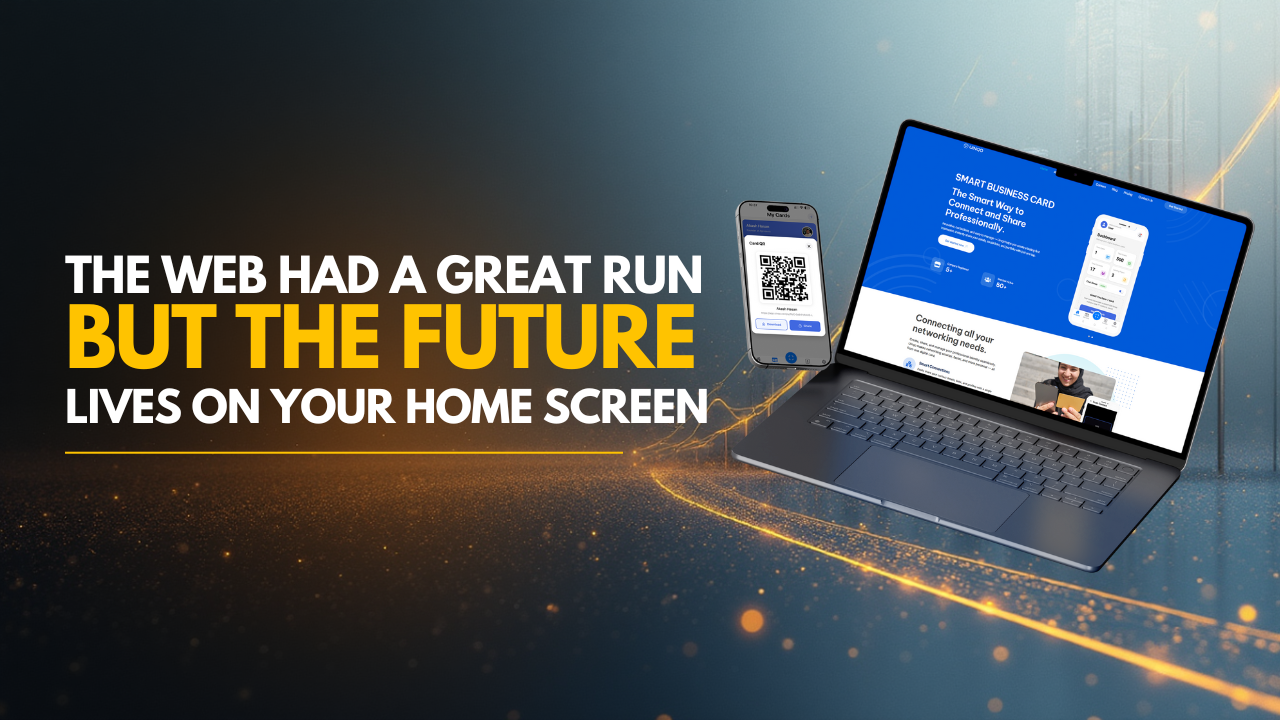
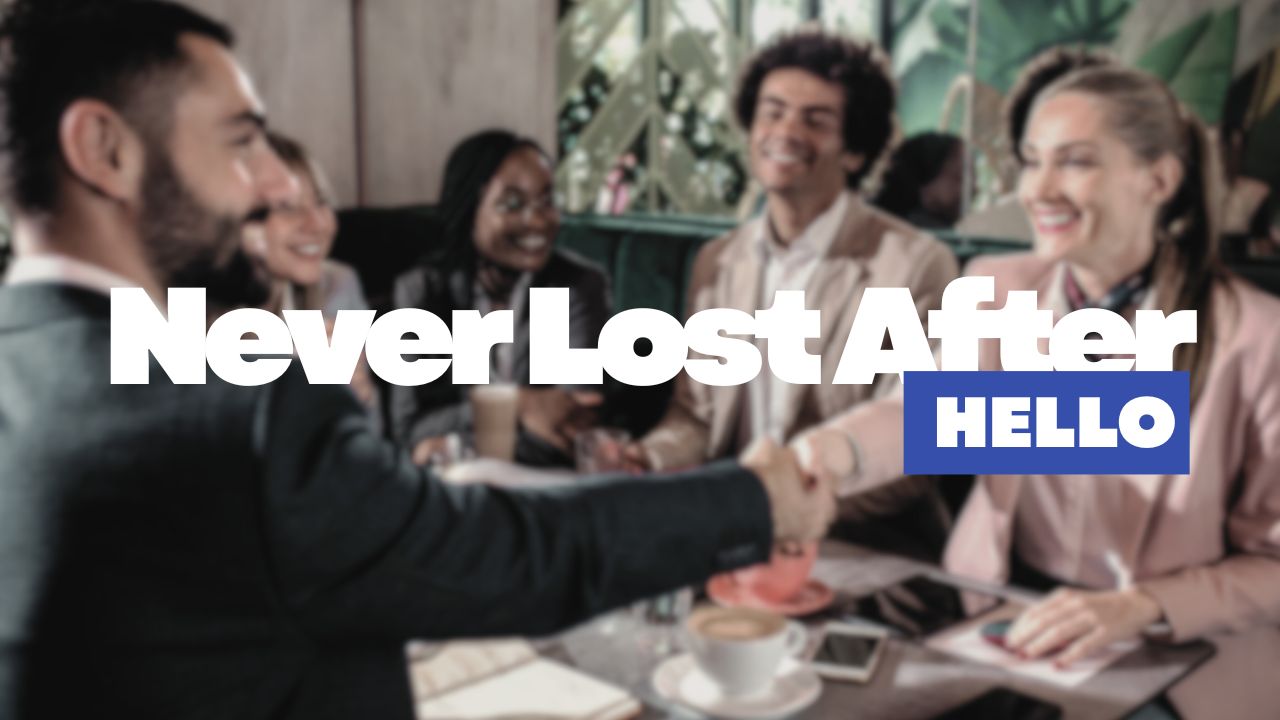
In 2026, the traditional paper business card has become a relic of a slower, less connected era. As professionals, we are operating in a landscape where speed, sustainability, and data-driven insights are the new currency. Carrying a stack of paper cards is no longer just an inconvenience; it is a strategic disadvantage. Platforms like UINQO have redefined networking by consolidating every essential tool into a single, sleek ecosystem.
Whether you are an entrepreneur looking to make a lasting first impression or a corporate leader aiming to streamline team connectivity, the shift to digital is inevitable. Here is a comprehensive look at why paper business cards are obsolete and how the modern professional is staying ahead.
The Environmental Crisis of Paper Networking
The most immediate argument against paper business cards is their staggering environmental toll. Every year, millions of trees are harvested to produce billions of cards, and research indicates that nearly 88% of these cards are discarded within a single week. In 2026, where corporate social responsibility is a key metric for brand loyalty, handing over a flimsy paper card can actually harm your reputation. Consumers and partners are increasingly prioritizing “Ethical Loyalty,” choosing to work with individuals and brands that demonstrate a commitment to the planet.
By moving away from paper, you are not just saving space in your wallet; you are directly reducing deforestation and the massive water consumption required for paper pulping. UINQO offers sophisticated alternatives that prove sustainability doesn’t mean sacrificing style. Their Bamboo cards provide a tactile, premium experience using one of the fastest-growing, most renewable resources on earth. For those seeking even greater longevity, Metal cards offer a lifetime of use, ensuring you never have to contribute to landfill waste again.
Furthermore, you can achieve Creative Customization with the Dimension Card, allowing you to merge eco-friendly values with a unique, high-end aesthetic. These durable materials allow for intricate designs that stand out far more than standard cardstock ever could. Making this switch signals that your brand is forward-thinking, environmentally conscious, and invested in quality over quantity.
The Inefficiency of Static Information
One of the greatest frustrations with paper cards is their permanence. If you change your phone number, upgrade your job title, or pivot your business focus, every single card in your possession becomes instantly useless waste. In contrast, a Personalized Landing Page linked to a smart card allows for real-time updates. You can modify your details in seconds, ensuring that every person you have ever tapped with always has access to your current portfolio and contact info.
This dynamic nature extends to how you present yourself. With Multiple Profile Options, you no longer need different cards for different roles. You can have a professional profile for corporate meetings and a creative one for industry mixers, all hosted on the same physical card. This flexibility ensures you are always prepared for the specific context of your conversation without carrying a library of paper.
The Irrefutable Case Against Paper Business Cards in 2026:
They’re Environmentally Unsustainable (and That Matters More Than Ever)
The climate crisis is a daily headline, and consumers and businesses alike are increasingly prioritizing sustainability. Every paper business card printed contributes to deforestation, waste, and a larger carbon footprint. In 2026, being environmentally conscious isn’t just a bonus; it’s an expectation. Handing out paper cards signals a lack of awareness, which can negatively impact your brand perception.
They’re Easily Lost, Damaged, or Forgotten
Let’s be honest: how many paper business cards have you collected only to misplace them, spill coffee on them, or find them crumpled at the bottom of a bag? The vast majority end up in the bin, their valuable contact information never making it into a CRM or even a phone’s contacts. It’s a fleeting interaction with a high probability of failure.
Data Entry is a Hassle (and a Barrier)
Imagine this: you’re at a busy networking event, collecting a handful of paper cards. When do you actually sit down and manually input all that information into your phone or database? For most, it’s a chore that often gets postponed indefinitely. This friction point means lost leads and missed follow-up opportunities.
Limited Information & Static Design
A paper card offers a tiny, static canvas. You can fit your name, title, company, and a few contact details, and that’s about it. There’s no room for dynamic content, portfolio links, social media handles beyond a simple icon, or even a quick QR code that leads to a personalized landing page. In 2026, your professional presence is multi-faceted, and your “card” should reflect that.
Lack of Analytics and Measurability
How do you track the effectiveness of your paper business cards? You don’t. You have no idea how many were kept, how many led to a follow-up, or which design elements resonated most. In an era where every marketing effort is scrutinized for ROI, paper cards offer zero insights.
Seamless Contact Management and Lead Generation
Networking in 2026 is about more than just “meeting” people; it is about building a functional database. When you exchange a paper card, the burden of data entry falls on the recipient. Most of the time, that card sits on a desk until it is eventually lost. UINQO’S Contact Management system eliminates this friction entirely. With a simple tap using NFC technology or a scan of a dynamic QR code, your details are saved directly into the recipient’s phone.
Furthermore, features like Smart Contact Category allow you to organize your new connections instantly. You can tag leads, categorize them by event, and ensure that follow-ups are handled with precision. This transforms a brief interaction into a structured lead generation process, providing a level of organization that a pocketful of paper cards could never achieve.
The Power of First Impressions with Premium Materials
While the world is going digital, the value of a physical “wow” factor has not disappeared. In fact, it has evolved. Handing someone a standard paper card feels generic, but presenting a Metal card or a custom-designed Dimension Card creates an immediate psychological impact. These materials carry weight both literally and figuratively, suggesting stability, luxury, and attention to detail.
Creative Customization allows you to embed your brand’s DNA into a physical object that people actually want to hold onto. Because these cards are powered by NFC and QR technology, they aren’t just pretty objects; they are high-tech keys to your entire professional world. You are combining the timeless appeal of a high-end physical asset with the limitless potential of digital connectivity.
Integration into the Modern Digital Ecosystem
Your business card should not be a dead end; it should be a gateway. A paper card can only hold a limited amount of text. A UINQO smart card, however, connects to your social media, your latest video presentations, and even direct booking links. In an era where “speed to lead” is a critical competitive advantage, allowing a potential client to book a meeting directly from your digital profile while you are still standing in front of them is a game-changer.
The traditional business card has lived a long life, but its time has passed. The transition to smart networking tools is not just a trend, it is an upgrade to your professional identity. By embracing NFC technology and sustainable materials, you are ensuring that your first impression is not only memorable but also functional, ethical, and future-proof.
Frequently Asked Questions:
How does an NFC business card share my details?
An NFC card uses a small wireless chip to transmit your Personalized Landing Page to a smartphone with a simple tap. It eliminates manual typing and ensures your contact information is saved instantly and accurately into the recipient’s phone without requiring any third-party apps.
What happens if I change my phone number or job title?
Unlike paper, you never need to reprint your cards; you simply update your details via the UINQO dashboard. Your physical Metal or Bamboo card will instantly reflect these changes, ensuring your network always has access to your most current professional information.
Can I share different information with different people?
Yes, you can utilize Multiple Profile Options to tailor your digital business card for different audiences. You can switch between a corporate profile for formal meetings and a creative portfolio for social events, ensuring you always make the most relevant impression.
Is a digital card compatible with older smartphones?
Every smart card includes a dynamic QR code as a reliable backup for older devices. If a phone doesn’t support NFC, the user can simply scan the code with their camera to instantly access your contact details and social links.
How do I keep track of the people I meet?
Through Smart Contact Category and management tools, you can organize new connections into specific groups immediately after a meeting. This replaces the messy stack of paper cards with a clean, searchable digital database that simplifies your follow-up process.